
Transform your indoor garden with soilless potting mix — benefits and how to use it in Australia.
If you’ve battled soggy pots, slow growth or fungus gnats, a soilless potting mix can make life much easier. In Australia, these mixes improve airflow around roots, hold the right amount of moisture and cut the risk of root rot. Typical ingredients include coco coir, perlite and sometimes vermiculite — lightweight components that help roots breathe and simplify plant care. Best of all, quality mixes are easy to buy online, so you can get the right media delivered to your door.
What are the key benefits of using soilless potting mix in Australia?

Soilless potting mixes boost aeration and drainage, which helps prevent root rot and encourages strong root systems. Because they’re lighter than traditional soil, they’re easier to move and manage. Many mixes also keep moisture more consistent, which is especially helpful for indoor plants and container gardening.
How does soilless mix improve plant growth and drainage?
Ingredients like coco coir, perlite and vermiculite create a porous root zone that improves airflow and water flow. This reduces waterlogged conditions and gives roots the oxygen they need to grow. The result is healthier, more vigorous plants that are less likely to suffer from common potting problems.
Why choose peat‑free and organic soilless mixes for sustainable gardening?
Choosing peat‑free, organic mixes helps protect fragile wetland ecosystems and supports long‑term soil health. Peat harvesting can damage wetlands and release stored carbon, so switching to sustainable alternatives reduces environmental harm while still giving your plants a quality growing medium.
Peat harvesting raises real environmental concerns, which is why many gardeners now prefer sustainable alternatives.
Which ingredients make the best soilless potting mix for indoor plants?
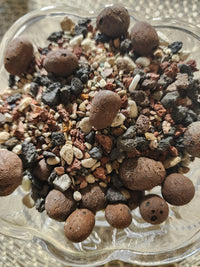
The most common and effective ingredients are coco coir, perlite and vermiculite. Together they balance drainage, airflow and moisture retention — the three elements most important for healthy roots.
What roles do coco coir, perlite and vermiculite play in soilless mixes?
Coco coir is a lightweight, fibrous substitute for peat that holds water while staying airy. Perlite adds structure and improves airflow. Vermiculite holds moisture and helps retain nutrients. When combined, these materials create a stable, well‑draining environment that supports steady root development.
Coco coir is a practical, renewable alternative to peat in many soilless mixes.
| Ingredient | What it does | Why it helps |
|---|---|---|
| Coco Coir | Improves drainage and holds moisture | Supports stronger, healthier roots |
| Perlite | Increases aeration and structure | Helps prevent waterlogging and root rot |
| Vermiculite | Holds moisture and nutrients | Provides steady moisture and nutrient buffering |
How are ingredients sourced sustainably for Australian conditions?

Suppliers often look for renewable, responsibly produced components and will favour regional options where possible to cut transport emissions. Using sustainably sourced ingredients not only reduces the mix’s footprint but also ensures the product suits local Australian climates and growing conditions.
How can you use soilless potting mix effectively for different plant types?
Soilless mixes are versatile — you can tweak the recipe for seedlings, houseplants or specific groups like orchids and succulents. Matching the mix to the plant’s water and air preferences is the key to success.
What are the step‑by‑step instructions for seedlings and indoor plants?
- Choose the right mix: Pick a blend designed for your plant type — seedling mixes are lighter, while indoor plant mixes give steady moisture.
- Prepare containers: Use pots with drainage holes so excess water can escape.
- Fill containers: Add the soilless mix, leaving room at the top for watering.
- Plant seeds or seedlings: Set them in gently and cover lightly with the mix.
- Water carefully: Water until it drains, then let the top layer dry slightly before the next watering.
How does soilless mix support hydroponic growing media systems?
Soilless mixes can be adapted for certain semi‑hydroponic setups because they promote airflow and drainage, lowering the risk of root disease. That said, fully hydroponic systems typically use inert media such as expanded clay or rockwool; soilless potting mixes are most often used in container and pot‑based systems rather than in standard hydroponic beds.
Where can Australian gardeners buy quality soilless potting mix online?
Australian growers can buy quality soilless mixes from Leaf of Faith SA, which stocks a range of blends for indoor plants and specialty options like tree fern fibre. Their online store makes it simple to compare products and order what suits your needs.
What makes Leaf of Faith SA’s soilless mix unique and eco‑friendly?
Leaf of Faith SA focuses on sustainable sourcing and thoughtfully formulated mixes designed for healthy roots and easy plant care. Their ranges aim to balance environmental responsibility with real‑world performance for home growers and hobbyists.
How to navigate the online shop for the best potting mix options?
Visit the Leaf of Faith SA website and check the "Growing Media" section to explore mixes like Fernwood Tree Fern Fibre and specialised soilless blends. Use the search bar or filters to narrow results, and browse the accessories section for tools that make potting and propagation simpler.
Frequently asked questions
Can soilless potting mix be reused for multiple planting seasons?
Yes — with care. After use, you should sterilise the mix to remove pathogens or pests (steam sterilising is a safe option). Refresh the mix by adding compost or organic fertiliser to restore nutrients before reusing.
What types of plants thrive best in soilless potting mix?
Soilless mixes suit many indoor plants: tropical foliage, herbs, succulents and orchids all do well when drainage and aeration are important. Always match the mix to the plant’s water needs for best results.
How often should I water plants in soilless potting mix?
Watering depends on plant type, pot size and conditions. Check the top 1–2 cm of the mix — if it feels dry, water. Soilless mixes retain moisture but can dry out faster in small pots or warm rooms, so monitor rather than sticking to a fixed schedule.
Are there any drawbacks to using soilless potting mix?
Some mixes need more frequent feeding because they contain fewer native nutrients than garden soil. They can also dry faster in exposed outdoor conditions. Choosing a high‑quality, organic blend reduces the chance of unwanted additives and gives more reliable performance.
How can I enhance the nutrient content of soilless potting mix?
Add organic fertilisers, compost or a liquid feed during the growing season. Slow‑release fertilisers are a low‑effort option that keeps nutrient levels steady over time. Watch your plants for signs like yellowing leaves to adjust feeding as needed.
Is soilless potting mix suitable for outdoor gardening?
Yes for containers, raised beds and certain outdoor uses — but it can dry out more quickly in direct sun and wind. For outdoor pots, consider blending soilless mix with some native soil or organic material to improve moisture and nutrient retention.