
Coco Coir Soilless Mix in Australia — a practical guide to greener, healthier plants
Coco coir soilless mix — made from processed coconut husks — is a lightweight, well‑aerated alternative to traditional potting soil. It helps drainage, holds the right amount of moisture, and gives roots the air they need to thrive. In this guide, you’ll find the benefits of coco coir, simple steps for using it, where to buy quality mixes in Australia, and what it means for the environment. If you’ve wrestled with compacted soil, soggy pots or poor root health, coco coir can be a straightforward, sustainable solution.
Coco coir is the fibrous material between a coconut’s hard shell and its outer husk. Often a by‑product of the coconut industry, it’s found new life as a renewable growing medium. Coir soaks up water well, has good structural strength, a neutral pH and reliable aeration — qualities that suit a wide range of soilless systems.
What are the benefits of using Coco Coir soilless mix for plants?
Coco coir offers lighter, airier root zones than many potting soils. It improves drainage and reduces compaction, helps prevent root rot, and supports steady root growth — all without the weight of garden soil. For indoor gardeners, those traits often mean happier plants and fewer watering headaches.
How does coco coir improve water retention and aeration?

Coco coir holds moisture in its fibres while still leaving air pockets for roots. That balance lets plants access water without sitting in a soggy mix. In practice, this means you can water confidently: the mix keeps moisture available but drains excess, reducing stress on roots.
Why is Coco Coir ideal for Australian growing conditions?
Coco coir adapts well to Australia’s variable climate. It helps retain moisture through dry spells and drains quickly when conditions are wet. That flexibility makes it a good choice for many Aussie plant varieties that prefer a well‑drained but evenly moist root zone.
How do you use Coco Coir soilless mix for optimal plant growth?
Use coco coir as a loose, airy base for pots and containers. Keep an eye on moisture — coir holds water, but plants still need regular feeding because the mix contains few nutrients on its own. Aerate gently if the mix compacts, and top up or refresh coir between plantings to keep roots happy.
What are the step-by-step instructions for preparing and using the soilless mix?
- Hydrate the coco coir: Soak the compressed coir or block in water until it fully expands and feels evenly moist.
- Mix in nutrients: Blend in organic fertiliser or a balanced nutrient mix, so plants get the minerals they need.
- Fill containers: Fill pots, leaving room for roots and planting depth.
- Plant and water: Set plants in place and water to settle the mix around the roots, then follow a regular feeding schedule.
How can you incorporate coco coir into hydroponic and container gardening?
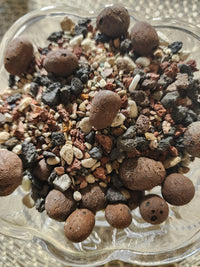
Coco coir works well in both container gardens and many hydroponic setups. Its texture supports root structure, drains reliably, and can be used alone or blended with perlite, fern fibre or other inert media depending on the system. Adjust feeding to match your plants’ needs — coir stores water but requires external nutrients.
Where can you buy quality organic coco coir soilless mix in Australia?
You can buy quality organic coco coir soilless mix in Australia from Leaf of Faith SA. They stock premium coco coir and related soilless mixes suited to indoor and container gardening — check their product pages for sizes and recommended uses.
What should you look for when choosing the best coco coir growing medium?
- Quality of coir: Seek well‑washed, well‑processed coir with minimal debris or salts.
- Moisture balance: Choose coir that retains moisture without becoming waterlogged.
- Sustainability: Prefer products sourced responsibly to support eco‑friendly gardening.
How does Leaf of Faith SA offer premium coco coir products for plant enthusiasts?
Leaf of Faith SA curates a range of high‑quality growing media, including Fernwood tree‑fern fibre and soilless coco mixes. Their products focus on good aeration and moisture balance, and the brand emphasises sustainable sourcing so you can grow confidently while reducing your environmental footprint.
What is the environmental impact of using Coco Coir soilless mix?

Coco coir is made from a renewable by‑product of the coconut industry, so using it helps repurpose waste instead of relying on slower‑renewing materials like peat. Compared with some alternatives, coir often has a lower environmental footprint while still delivering solid performance for growers.
Using coco coir supports sustainable and eco-friendly gardening by reducing waste and relying on a renewable source. When sourced and processed responsibly, coir is a strong choice for gardeners who want effective growing media with a smaller environmental footprint than some traditional options.
What are the latest trends in soilless growing media in Australia?
Australian gardeners are increasingly choosing lightweight potting mixes and soilless blends that improve drainage and make pots easier to handle. Coco coir is rising in popularity for its balance of moisture retention and aeration. There’s also growing interest in clear propagation pots so you can watch root development without disturbing young plants — all part of a shift toward simpler, healthier indoor gardening.
Explore the shop for a range of coco coir products to suit your garden and planting style.
Frequently Asked Questions
Can Coco Coir be reused for multiple planting cycles?
Yes. Coco coir can be reused if it’s cleaned and refreshed. Rinse or soak out old salts and residues, then recondition the coir with a nutrient solution before reuse. Over several cycles, the fibres will break down, so mix in fresh coir or another medium to keep structure and drainage reliable.
Is Coco Coir suitable for all types of plants?
Coco coir suits many plants — vegetables, herbs and most ornamentals do well in it. Some species with very specific soil needs may prefer other mixes, so consider plant requirements and add amendments or fertilisers where necessary.
How does coco coir compare to peat moss?
Coco coir is a renewable by‑product with neutral pH and better resistance to compaction. Peat forms over long timescales in bogs, so it’s less sustainable. Coir usually drains and aerates better, making it a kinder choice for the environment and many potting situations.
What is the shelf life of coco coir products?
When stored dry and cool, coir can keep for years. If it gets damp or contaminated, it may develop mould or break down faster, so store bags off the ground and away from moisture and check before use.
Can Coco Coir be used in aquaponics systems?
Yes — coir’s moisture retention and aeration make it a viable grow medium in aquaponics. You will need to monitor nutrient levels closely, since coir itself supplies little in the way of nutrients and may need supplemental feeding.
How do I know if my coco coir is of good quality?
Good coir is free of visible contaminants and heavy salts, has a fibrous texture, and smells clean or earthy rather than sour. Look for well‑processed, washed coir from reputable suppliers and check labels or certifications when possible.
Conclusion
Utilising coco coir soilless mix can significantly enhance your gardening experience by providing optimal aeration, moisture retention, and sustainable growth for your plants. This eco-friendly alternative not only supports healthier root systems but also reduces environmental impact compared to traditional potting soils. To elevate your gardening journey, consider exploring the premium coco coir products available at Leaf of Faith SA. Start nurturing your plants with this innovative growing medium today!