
Fernwood Tree Fern Substrate — an Organic Potting Mix for Lush, Healthy Tree Ferns
Growing impressive tree ferns starts with the right soil. Fernwood substrate is formulated to hold moisture without staying waterlogged and to supply steady nutrients for growth. Below, we explain what makes the mix work, how to use it, how it compares with other options in Australian gardens, and how it helps solve common soil problems.
Why Fernwood Tree Fern Substrate Works So Well
Fernwood is a purpose-built mix for tree ferns. It balances water-holding materials with components that keep the root zone airy and well drained — exactly what tree ferns need. The result is steady moisture, accessible nutrients and good aeration, which together support healthy, vigorous growth and stronger plants over time.
Which Organic Ingredients Make Fernwood Perform?

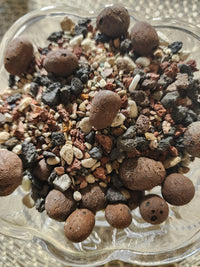
Key organic components in the Fernwood blend include:
- Organic bark: Adds structure and keeps the mix open so roots can breathe.
- Peat moss: Holds moisture and stores nutrients for gradual release.
- Perlite: Improves drainage and stops the mix from compacting around roots.
Together, these ingredients create a stable growing medium for tree ferns in pots or the garden.
Practical experience shows that the right substrate components support healthy early development in tree ferns.
How Moisture Retention and Aeration Help Your Tree Ferns
Tree ferns need even moisture but do not tolerate waterlogged roots. Fernwood holds accessible moisture while bark and perlite keep the mix airy, reducing root rot risk and encouraging strong roots. That balance keeps fronds healthy and plants more resilient.
How to Use and Care for Fernwood Tree Fern Substrate
Getting the best from Fernwood is mainly about planting well and monitoring moisture; follow a few simple practices, and your tree ferns will reward you with steady growth.
Best Practices for Planting with Fernwood
When using Fernwood substrate, try these steps:
- Prepare: Clear the area or pot of debris and old, compacted soil.
- Amend if needed: Mix in extra organic matter or compost to boost nutrients for established plants.
- Plant and level: Fill pots or beds evenly with the substrate and position the fern so the root crown sits at the correct height.
These steps help ferns establish quickly.
Watering and routine care — indoor and outdoor

How often you water depends on light, temperature and humidity. As a guideline:
- Indoors: Check the top layer; water roughly every 5–7 days so the surface feels slightly drier before the next soak.
- Outdoors: In warm weather, aim for every 3–5 days or as needed to keep the root zone evenly moist.
Adjust frequency after checking the mix — the goal is consistently moist, not soggy.
How Fernwood Stacks Up for Australian Gardens
Several good substrate choices exist in Australia; knowing how they differ helps you pick the right mix for your site and climate.
Fernwood versus other organic fern potting mixes
Fernwood offers a few clear advantages:
- Reliable moisture retention: Holds water well without remaining waterlogged.
- Balanced nutrients: Formulated to provide what tree ferns need without overfeeding.
- Good aeration: Keeps the root zone loose so oxygen can reach roots.
These qualities make Fernwood a dependable choice for many home gardens and plantings.
Why locally tailored substrates matter in Australia
- Climate fit: Local blends are adjusted for Australian conditions, which helps plants cope with our seasons.
- Better outcomes for regional species: Substrates suited to local conditions support native and well-adapted tree ferns.
- Lower footprint: Using local materials reduces transport and supports sustainable sourcing.
Choosing a substrate that suits your local climate makes caring for tree ferns simpler and more reliable.
Common Soil Problems — and How Fernwood Helps
Soil-related problems often cause underperforming tree ferns. Understanding the core issues — pH, drainage and nutrient balance — is the first step to solving them.
Getting pH and basic nutrient balance right is essential for healthy ferns and for preventing many common growth problems.
Improving drainage and avoiding root problems
Good drainage prevents root rot and keeps ferns healthy. Fernwood helps by:
- Using perlite: Speeds excess water away from the root zone.
- Keeping the mix airy: Organic bark prevents compaction, so roots can get oxygen.
These features reduce waterlogging while keeping roots supported and active.
Common questions about tree fern substrate
Gardeners often ask the same practical questions:
- How often should I replace the substrate? Refresh the substrate every 1–2 years to replenish nutrients and restore structure.
- Can I use Fernwood for other plants? Yes — it suits many moisture-loving plants; check each species’ pH and nutrient needs first.
- What are the signs that the substrate is failing? Yellowing fronds, slow or stunted growth, and soft or foul-smelling roots point to problems with the mix or watering.
Monitoring plants and adjusting care early usually corrects these issues.
| Component | Benefit | Impact Level |
|---|---|---|
| Organic Bark | Provides structure and aeration | High |
| Peat Moss | Retains moisture and nutrients | High |
| Perlite | Improves drainage | Medium |
Fernwood is a practical option for gardeners seeking consistent results. Its organic blend balances moisture retention, aeration and nutrients and, with straightforward care, creates the conditions for tree ferns to flourish.
Frequently Asked Questions
What is the best way to store Fernwood substrate before use?
To ensure the quality of Fernwood substrate, store it in a cool, dry place away from direct sunlight. Keep the bag sealed to prevent moisture absorption and contamination. If you have opened the bag, transfer the substrate to an airtight container. This will help maintain its moisture-retaining properties and prevent the growth of mould or pests. Always check the substrate for any signs of degradation before use, especially if it has been stored for an extended period.
How does Fernwood substrate compare to synthetic potting mixes?
Fernwood substrate is an organic mix specifically designed for tree ferns, offering natural moisture retention and aeration. In contrast, synthetic potting mixes often contain chemical additives that may not provide the same level of nutrient balance or moisture control. Organic substrates like Fernwood promote healthier root systems and are more environmentally friendly, supporting sustainable gardening practices. Additionally, they are less likely to lead to issues like root rot, which can occur with poorly draining synthetic mixes.
Can I mix Fernwood substrate with other types of soil?
Yes, you can mix Fernwood substrate with other types of soil to enhance its properties. For instance, combining it with compost can boost nutrient levels, while adding sand can improve drainage. However, ensure that any mix maintains the moisture retention and aeration qualities essential for tree ferns. Always test the mixture with a small plant first to observe how it performs before applying it to larger areas or more valuable plants.
What are the signs that I need to amend the Fernwood substrate?
Signs that you may need to amend the Fernwood substrate include poor growth, yellowing fronds, or a noticeable decline in plant health. If you observe these symptoms, it may indicate nutrient depletion or compaction of the substrate. Additionally, if the substrate has become overly dry or waterlogged, it may require amendment. Regularly testing the pH and nutrient levels can help you determine when to refresh or amend the mix to ensure optimal conditions for your tree ferns.
How does temperature affect the performance of Fernwood substrate?
Temperature plays a crucial role in the performance of Fernwood substrate. In warmer conditions, the substrate may dry out more quickly, necessitating more frequent watering to maintain moisture levels. Conversely, in cooler temperatures, the substrate retains moisture longer, which can lead to overwatering if not monitored. It's essential to adjust your watering routine based on seasonal temperature changes to ensure that tree ferns receive the right amount of moisture without risking root rot.
Is there a specific time of year that is best for planting in Fernwood substrate?
The best time to plant in Fernwood substrate is during the spring or early autumn when temperatures are milder, and conditions are more favourable for root establishment. Planting during these seasons allows tree ferns to acclimatise and grow without the stress of extreme heat or cold. Additionally, this timing aligns with the natural growth cycle of many plants, promoting healthier and more vigorous growth as they adapt to their new environment.
Can Fernwood substrate be used for other types of plants?
Yes. Fernwood suits many moisture-loving plants — shade-loving natives and houseplants that prefer a steady, humid root zone. Check each plant’s pH and nutrient needs and monitor how they respond after planting.
How can I tell if my tree ferns are not thriving in the substrate?
Look for yellowing fronds, slowed growth, wilting or a sour smell from the root zone — these are signs the substrate or watering routine needs attention. Gently inspect roots for softness or rot and adjust watering or refresh the mix if needed.
What is the ideal pH level for tree fern substrate?
Tree ferns prefer slightly acidic conditions, roughly pH 5.5–6.5. That range helps nutrients stay available. Test the substrate periodically and amend as required — lime will raise pH, sulphur will lower it.
How do I refresh the Fernwood substrate over time?
Every 1–2 years, remove the top layer of old substrate and replace it with fresh material. Carefully lift the plant if necessary, avoid damaging roots, and mix in fresh Fernwood so structure and nutrients are restored.
What environmental factors should I consider when using Fernwood substrate?
Light, humidity and temperature all affect how quickly the substrate dries. Tree ferns prefer indirect light and higher humidity — protect them from full sun and monitor moisture during heatwaves to prevent drying out.
Are there any pests or diseases associated with tree ferns in Fernwood substrate?
Pests like scale and aphids can affect tree ferns, and root rot can occur if the mix stays too wet. Inspect plants regularly, treat pests promptly with appropriate remedies, and keep good air circulation and sensible watering to reduce disease risk.
Conclusion
Choosing Fernwood Tree Fern Substrate ensures your tree ferns receive the optimal balance of moisture retention, aeration, and nutrients for robust growth. This organic mix is tailored to meet the specific needs of tree ferns, making it a reliable choice for gardeners in Australia. By adopting this substrate, you can enhance the health and vitality of your plants while simplifying care routines. Discover our range of Fernwood products today to elevate your gardening experience.