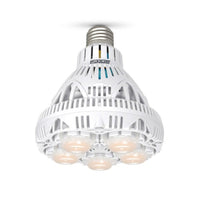

Light for a Happier Indoor Garden
Indoor gardening is growing across Australia, from kitchen herbs and salad greens to large tropical houseplants. Light often decides whether a plant stays compact or stretches to the window. This guide covers how grow lights help, practical LED choices, full‑spectrum options for Aussie homes, and simple setup and upkeep tips.
Which Types of Indoor Grow Lights Work Best in Australian Homes?
Consider what you’ll grow and the space available. The main lamp types are LED, fluorescent and HID (High‑Intensity Discharge); each suits different budgets, ventilation capacity and light needs.
LED, fluorescent and HID: how do they compare for indoor gardening?
LED Grow Lights: Efficient and long‑lasting. Many deliver full‑spectrum light, run cool and reduce ventilation needs.
- Fluorescent Grow Lights: Affordable for seedlings and young plants; gentler light but shorter life and lower efficiency than LEDs.
- HID Grow Lights: Very powerful for high‑light crops or large setups, but use more electricity and produce heat, so they require good ventilation.
Product development continues to improve each type, with a strong recent focus on optimising LED performance for indoor use.
What grow light options does Leaf of Faith SA offer for Australian conditions?
Leaf of Faith SA selects grow lights for Aussie homes, prioritising dependable, energy‑efficient LED fixtures that support healthy growth and sensible running costs.
Browse our collection, including LED & full‑spectrum grow lights, to match size and spectrum to your space and plants.
How Does Light Spectrum Influence Indoor Plant Growth?
Wavelengths trigger different plant responses. The right spectrum thickens leaves, keeps plants compact and supports flowering or fruiting when needed.
What role do full‑spectrum grow lights play in photosynthesis?
Full‑spectrum fixtures mimic sunlight by combining blue, red and other wavelengths. Blue favours leafy growth; red supports flowering. A balanced full‑spectrum unit suits most common indoor plants.
How do various wavelengths support different indoor species?
Different species and growth stages prefer different spectra: leafy herbs and salad greens favour blue‑rich light for compact leaves, while flowering crops benefit from additional red to support blooms and fruit.
What Energy Efficiency Benefits Do LED Grow Lights Offer in Australia?

LEDs are efficient because they emit wavelengths plants use and produce less waste heat. For Australian home growers, that typically means lower bills and fewer replacements.
LED technology can reduce costs and give finer control over light quality — both important for healthy indoor growing.
In short, optimising LED lighting is a practical way to lift energy efficiency and crop output indoors.
How do LED grow lights save energy compared to traditional lighting?
Because LEDs concentrate output on plant‑useful wavelengths and emit less heat, they lower running costs. Their long service life also reduces replacements and waste.
What cost savings can Australian indoor gardeners expect from energy‑efficient lights?
Quality LEDs can significantly cut power use — a good LED often uses roughly half the energy of a comparable HID. Over time, those savings offset higher initial costs.
| Light Type | Energy Consumption (W) | Lifespan (Hours) | Energy Efficiency |
|---|---|---|---|
| LED | 100 | 50,000 | Very High |
| Fluorescent | 100-200 | 7,000-15,000 | Moderate |
| HID | 400 | 10,000-24,000 | Lower |
How Should You Install and Maintain Indoor Grow Lights for Best Results?
Proper setup and routine maintenance ensure consistent light, avoid heat stress and keep fixtures operating efficiently.
What are the best installation tips and timer settings for indoor grow lights?
For most LEDs start about 30–60 cm (12–24 inches) above the canopy; raise them if leaves bleach or show stress. HIDs need more clearance. Use a timer for steady day/night cycles — many houseplants suit 12–16 hours, depending on species and stage.
How do you maintain and grow lights to ensure steady plant growth?
Wipe lenses and reflectors to remove dust, inspect cables and fittings, and replace bulbs or fixtures when output drops. Regular, simple checks keep your indoor garden steady.
Choose the right light and spectrum, set distance correctly, and keep equipment clean — these basics create a stable indoor environment where plants thrive.
Frequently Asked Questions
What are the signs that my indoor plants are not getting enough light?
Stretched, leggy stems, pale or yellowing leaves, slow growth or leaf drop indicate insufficient light — increase intensity or duration.
How often should I change the bulbs in my grow lights?
It depends on the type: LEDs can last ~50,000 hours; fluorescent and HID bulbs usually last between 7,000 and 24,000 hours. Replace if brightness drops steadily.
Can I use a dimmer switch with my LED grow lights?
Yes — dimming fine‑tunes intensity for growth stages. Use dimmers compatible with LED electronics.
What is the best way to ensure even light distribution in my indoor garden?
Cover the area with multiple fixtures, add reflective surfaces where practical and rotate plants so all sides get light.
Are there specific types of plants that thrive better under LED grow lights?
Many do: leafy greens, herbs and flowering ornamentals all perform well under quality full‑spectrum or tunable LEDs.
How can I optimise the light cycle for my indoor plants?
Use a timer for consistent day/night rhythms. Most houseplants do well on 12–16 hours; adjust based on seedlings or plant responses.
What should I do if my plants are showing signs of light burn?
If leaves look scorched or bleached, raise lights, lower intensity or shorten daily hours. Monitor and adjust until stress clears.
What are the advantages of using full-spectrum LED grow lights?
Full‑spectrum LEDs give a balanced mix of wavelengths like natural sunlight, supporting seedlings to flowering while remaining energy‑efficient and reliable for many indoor species.
How do I choose the right wattage for my indoor grow lights?
Wattage depends on area and plants. A general guide is 20–40 watts per square foot — e.g., a 4×4 ft area needs roughly 80–160 watts. Intensity and spectrum matter as much as raw wattage.
Can I use LED grow lights for all types of indoor plants?
Yes — LEDs suit herbs, vegetables and ornamentals. Leafy greens prefer blue‑rich light; flowering plants benefit from more red. Tunable or full‑spectrum LEDs offer flexibility.
What maintenance is required for LED grow lights?
Keep lenses and reflectors clean, inspect wiring, and monitor output; replace fixtures when brightness falls noticeably.
How do I adjust my grow lights as plants get taller?
Raise or lower lights to maintain the recommended distance. For LEDs, begin 30–60 cm (12–24 inches) above the canopy and adjust for stretching or bleaching.
What are the common mistakes to avoid when using grow lights?
Avoid placing lights too close (burn) or too far (stretching), skipping timers and neglecting cleaning. Learn your plants’ needs and check them often.
What types of plants benefit most from LED grow lights?
Leafy greens, herbs and many flowering species respond well to LEDs: blue‑rich light for foliage, red for flowering and fruiting.
How do I know if my plants are getting enough light?
Sturdy stems and deep green leaves indicate good light. Pale, elongated stems mean too little; scorched or bleached leaves mean too intense — adjust accordingly.
Can I use grow lights for seed starting indoors?
Yes — grow lights are ideal for germination and strong seedlings. Keep lights close to young plants and use timers to mimic day/night cycles.
What is the ideal distance to place grow lights above plants?
Distance varies by lamp: for most LEDs, start at 30–60 cm (12–24 inches) above the canopy and raise if plants show stress; HIDs need more clearance due to heat.
How can I improve the efficiency of my indoor grow light setup?
Use reflective surfaces, keep fixtures clean and run lights on timers. Match the spectrum to the plant type to boost efficiency and results.
Are there any safety concerns with using indoor grow lights?
Grow lights are safe when used properly: ensure ventilation (especially for HIDs), use rated fixtures, avoid overloaded circuits and inspect cables regularly to reduce fire risk.
Conclusion
Optimising your indoor garden with the right grow lights can significantly enhance plant health and yield. By choosing energy-efficient LED options, you not only support robust growth but also reduce electricity costs over time. Explore our curated selection of high-quality grow lights tailored for Australian conditions to elevate your gardening experience. Start your journey towards a thriving indoor garden today!