
Best Clear Plastic Propagation Pots in Australia — Top Picks for Plant Lovers
Clear plastic propagation pots give you a simple window into root health and soil moisture. This concise guide covers the best options in Australia, their benefits and uses, and where to buy them so you can reduce transplant shock and grow stronger plants.
What are clear plastic propagation pots — and why use them?
These transparent containers are made for starting seeds and rooting cuttings. Because you can see root growth and moisture without disturbing plants, you’ll spot problems early and decide when to transplant with less stress.
Clear pots also help maintain steady moisture for delicate seedlings and speed learning for growers who want repeatable propagation results.
How do clear plastic pots help with seed starting and propagation?
Transparent pots let you monitor root development and detect issues like poor growth or rot early. You can see when the mix is drying and avoid unnecessary disturbance, making transplanting less disruptive.
Why are transparent propagation trays useful for monitoring roots?
Trays give a clear view across multiple plants, making it easier to prevent overwatering, spot root crowding or disease, and decide when to repot or thin seedlings for healthier outcomes.
Which clear plastic propagation pots suit different plant types?
Choose pots by depth, diameter and drainage to match the plants you’re growing — succulents, houseplants and seedlings have different needs.
Best propagation pots for succulents and small plants

Shallow, clear pots with good drainage suit succulents and other compact plants; pots around 7–12 cm are usually ideal. Choose sturdy plastic if you’ll move pots or place them outdoors, so the sides remain clear for observation.
How to pick plastic seedling pots in Australia for different seedlings

Consider three practical factors:
- Size and depth: Match pot depth to expected root growth — tiny seeds need shallow cells, vegetables need deeper ones.
- Material quality: UV-stable plastics resist breakdown under sun or grow lights, offering lasting clarity.
- Drainage: Multiple holes prevent waterlogging and reduce root-disease risk.
UV stabilisation extends plastic life in garden conditions, so it’s worth choosing stabilised materials for outdoor or sunny setups.
Keep these points in mind to pick seedling pots suited to your crops and climate.
How to choose the right size and features for clear propagation containers
Match pot size to the plant’s expected root system and how long it will stay in the pot; this affects water use and root development.
What size options are common for small clear nursery pots?
Small clear nursery pots typically range from about 5 cm to 15 cm across. For many seedlings, 7–10 cm is a practical balance between root room and ease of transplanting. Avoid oversized pots for seedlings, as excess soil can hold too much moisture.
Pot volume and watering patterns influence root distribution and plant performance, so choose sizes that fit your routine.
Which features — drainage, material quality and more — matter most?
Prioritise good drainage and durable, UV-resistant plastics that resist cracking and yellowing. Multiple drainage points improve flow and reduce pooling; sturdier materials keep pots clear and usable longer.
Where to buy quality clear plastic propagation pots in Australia?
Pots are available from local garden centres and online retailers — local stores let you inspect pots in person, while online shops often offer a wider range and bulk options.
Why choose Leaf of Faith SA for Australian gardening supplies?
At Leaf of Faith SA, we're passionate about helping Australian growers succeed. We supply propagation essentials, including clear pots and trays, with a focus on durable products and practical advice. Discover our range designed to support your gardening journey!
How to navigate online shops for propagation supplies in Australia
When shopping online, follow simple checks:
- Read reviews: Look for real-world durability and fit-for-purpose feedback.
- Compare options: Check several sites for the best selection and features.
- Check shipping: Note delivery times, costs and any local pickup or bulk shipping deals.
These steps help you make informed purchases for propagation needs.
| Pot Type | Ideal Use | Size Range | Material Quality |
|---|---|---|---|
| Succulent Pots | Small succulents and compact plants | 7–12 cm | Durable, well-draining plastic |
| Seedling Pots | Starting a wide range of seedlings | 5–15 cm | UV-resistant plastic |
| Propagation Trays | Monitoring multiple young plants | Varies by tray type | Sturdy, clear plastic |
Clear plastic propagation pots are a useful addition to any gardener’s toolkit: they make root monitoring simple, reduce transplant losses and help build healthy root systems from the start.
Frequently Asked Questions
How do I know which size propagation pot to choose for my plants?
Choosing the right size propagation pot is crucial for healthy plant growth. Generally, small seedlings thrive in pots ranging from 5 to 10 cm, while larger plants may require pots up to 15 cm. Consider the expected root growth and the duration the plant will remain in the pot. Avoid oversized pots for seedlings, as they can retain excess moisture, leading to root rot. Always match the pot size to the specific needs of your plants for optimal results.
Can I use clear plastic pots for outdoor plants?
Yes, clear plastic pots can be used for outdoor plants, but it's essential to choose UV-stable materials to prevent degradation from sunlight. Ensure that the pots have adequate drainage to avoid waterlogging, which can harm the roots. Additionally, consider the local climate; if temperatures are extreme, providing some shade can help protect the plants from overheating. With proper care, clear pots can be effective for outdoor propagation.
What types of plants benefit most from using clear propagation pots?
Clear propagation pots are particularly beneficial for delicate seedlings, cuttings, and plants that require close monitoring of root health, such as succulents and houseplants. The transparency allows gardeners to observe root development and moisture levels without disturbing the plants. This visibility is especially useful for beginners who are learning about plant care and propagation techniques, as it helps them identify issues early on.
Are there any disadvantages to using clear plastic pots?
While clear plastic pots offer many advantages, they can also have some drawbacks. One potential issue is that roots may become exposed to too much light, which can lead to overheating or damage. Additionally, if not monitored closely, the soil can dry out faster due to increased evaporation. It's important to balance light exposure and moisture levels to ensure healthy plant growth when using these pots.
How can I enhance drainage in clear plastic propagation pots?
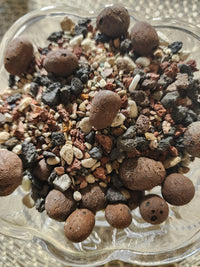
To enhance drainage in clear plastic propagation pots, ensure that the pots have multiple drainage holes at the bottom. You can also add a layer of small stones or gravel at the base before adding soil to improve water flow. Using a well-draining potting mix is also crucial; consider blends that include perlite or vermiculite to promote aeration and prevent waterlogging. Regularly check for any blockages in the drainage holes to maintain optimal drainage.
What should I do if my plants show signs of stress in clear pots?
If your plants show signs of stress, such as wilting or yellowing leaves, first check the moisture level in the soil. Overwatering or underwatering can both cause stress. Adjust your watering schedule accordingly. Additionally, inspect the roots through the clear sides; if they appear brown or mushy, it may indicate root rot. In such cases, consider repotting into fresh soil and a clean pot, ensuring proper drainage and light conditions.
What’s the main difference between clear plastic propagation pots and traditional pots?
Clear pots let you inspect roots and moisture without disturbing plants, while opaque pots hide the root system. That visibility helps catch problems earlier and maintain appropriate moisture for seedlings.
Can clear plastic propagation pots be reused, and how should I clean them?
Yes. Remove soil, wash with warm soapy water, then disinfect if needed (a diluted bleach solution: 1 part bleach to 9 parts water) for about 10 minutes. Rinse and dry completely before reuse.
Any special care tips for plants in clear plastic pots?
Watch moisture through the clear sides, ensure good drainage and avoid leaving pots in standing water. Protect roots from excess light and heat by shading if necessary.
What are the environmental impacts of using plastic propagation pots?
Choosing UV-stable, reusable pots and recycling or repurposing them reduces impact. Biodegradable alternatives are available for those who prefer lower-impact options.
When should I transplant seedlings from clear plastic pots?
Transplant when roots fill the pot or are visible at drainage holes, or when the seedling has several true leaves and looks healthy. Move root-bound or stressed plants to larger containers promptly.
What are the best watering practices for plants in clear plastic pots?
Water only when the soil looks or feels dry. Water thoroughly until excess drains, then let the mix dry slightly before the next watering. Avoid letting pots sit in collected water to reduce root rot risk.
Conclusion
Clear plastic propagation pots are essential tools for any gardener, offering visibility into root health and moisture levels to promote stronger plant growth. By selecting the right pots tailored to your plants' needs, you can significantly reduce transplant shock and enhance overall success in propagation. Explore our range of high-quality propagation supplies to elevate your gardening experience. Start your journey towards healthier plants today!