
Fungus gnats are tiny, dark flies attracted to moist potting mix and organic matter, and they are a common pest for indoor growers in Australia. This guide explains how our green sticky traps and complementary measures reduce adult populations, interrupt lifecycles, and protect roots from larval damage, offering practical placement and replacement advice for typical Australian indoor conditions. You'll discover what fungus gnats do to plants, which trap features truly matter, how to deploy traps effectively, and which eco-friendly alternatives to combine with traps for long-term control. We'll explore lifecycle windows for intervention, provide compact product comparisons and usage schedules tailored to indoor growers, and outline step-by-step monitoring and maintenance routines. Our aim is to help indoor growers like you easily recognise effective options and actions for tackling fungus gnats.
What Are Fungus Gnats and Why Are They a Problem for Indoor Plants in Australia?
Fungus gnats are small dipteran insects whose adults feed on moist soil surfaces and whose larvae consume fungal matter and fine root hairs, weakening plants and spreading pathogens. In Australian indoor environments, warm temperatures and frequently damp potting mixes create ideal conditions for rapid generations, so infestations can escalate quickly if moisture and organic debris are not managed. The immediate value of identifying gnats lies in preventing seedling losses and stunted growth caused by root-feeding larvae, while longer-term control reduces stress that invites secondary problems. Understanding this problem leads directly to recognising visible symptoms and the lifecycle timing that sticky traps and biologicals target.
How Do Fungus Gnats Affect Indoor Plant Health?
Larvae feed on root hairs and tender roots, reducing plants’ ability to take up water and nutrients and causing slower growth and transplant failure. Visible signs include wilting despite adequate watering, greening leaves, poor vigour in seedlings and recently repotted plants, and the presence of adults fluttering near soil surfaces. Vulnerable plants include seedlings, cuttings and species with fine root systems; damage is often mistaken for overwatering or nutrient deficiency, so checking for larvae in soil is important. Spotting adults and larvae early enables timely intervention with sticky traps and larval controls to prevent progressive root decline and secondary disease.
What Is the Lifecycle of Fungus Gnats in Australian Indoor Environments?
Fungus gnats progress through egg, larva, pupa and adult stages, typically completing a generation in a few weeks under warm, humid indoor conditions. Eggs are laid in moist organic-rich potting mix, larvae feed on fungi and roots in the soil, pupae form in drier zones and adults emerge to mate and disperse, so controlling adults reduces egg-laying while treating soil targets larvae. Sticky traps capture adults near the soil surface, interrupting the reproductive cycle, whereas biologicals like nematodes attack larvae in the substrate. Recognising these windows—adult flight for trapping and larval soil activity for biologicals—helps sequence interventions for faster population decline.
Which Sticky Traps Are Most Effective for Fungus Gnat Control in Australia?
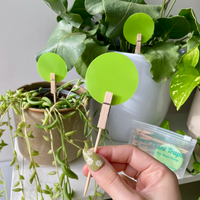
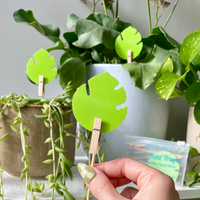
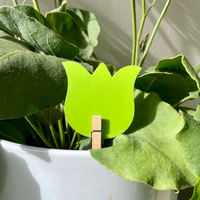
Green adhesive cards are highly effective for fungus gnat monitoring and reduction because adult gnats are attracted to bright green and readily collide with the adhesive surface. Key attributes that influence capture rates include colour brightness, adhesive longevity, form factor (cards, strips, stakes), and pack size relative to the number of pots. Choosing the right trap balances indoor suitability and ease of placement: small cards work well near individual pots, while larger strips suit shelving or clustered plants. Below is a compact comparison of common trap choices and where they work best.
| Trap | Characteristic | Typical Use |
|---|---|---|
| Green sticky card | Bright green adhesive card | Best for single pots and seedling trays |
| Sticky stake strip | Card with stake attachment | Suited to floor pots and deeper canopy |
| uBloomed Sticky Traps pack of 10 | Pack of 10 adhesive green cards | Convenient for multi-pot indoor collections |
This comparison shows that bright green surface and appropriate form factor are the main selection criteria for indoor growers, and pack size should match plant numbers to maintain continuous monitoring.
When comparing sticky trap features and suitability for indoor fungus gnat control, the uBloomed Sticky Traps pack of 10 is a practical example of a multi-pack green adhesive card offering a simple option for growers with several pots. The pack-of-10 format makes regular replacement straightforward and scales to small collections of pots or multiple shelving levels without excessive waste.
What Features Make Sticky Traps Effective Against Fungus Gnats?
An effective sticky trap combines high visual attraction, durable non-toxic adhesive, and a form factor that places the adhesive at or just above soil level where adult gnats fly. Bright green is the key colour because it mimics flowers and foliage cues that attract fungus gnats, while adhesive longevity determines how often you replace traps in dusty or humid indoor conditions. Form factors vary: cards lie at soil edge, stakes elevate adhesive into the flight zone, and hanging strips intercept adults near windows; choose the form that matches plant layout. Assessing these features helps growers buy traps that remain sticky long enough to reduce adult numbers meaningfully.
- Sticky traps work best when they are bright green, have long-lasting non-toxic adhesive, and can be placed at soil level.
- Choosing the correct form factor—card, stake, or hanging strip—depends on pot size, shelf height and airflow.
- Regular inspection of adhesive fullness and dust build-up ensures traps remain effective in Australian indoor microclimates.
How Does the uBloomed Sticky Traps Pack of 10 Compare to Other Options?
The uBloomed Sticky Traps pack of 10 offers a straightforward multi-pack option that fits growers with several small to medium pots and those who prefer scheduled replacement. Compared with single cards or large bulk rolls, a ten-pack balances inventory and waste for home growers, and its adhesive surface and bright green colour conform to the main effectiveness criteria for fungus gnat attraction.
Pros: convenient pack size, easy placement and clear monitoring; Cons: may require frequent replacement in heavy infestations and is one element in a wider IPM approach.
How Do You Use Sticky Traps to Get Rid of Fungus Gnats Indoors?

Sticky traps are most effective when used consistently as part of a routine: place traps at soil level near affected pots, deploy multiple traps in clusters for heavy infestations, and replace them before adhesive is obscured by dust or insects. Monitoring capture counts on traps gives a quick metric of infestation trends and treatment success, allowing growers to reduce soil moisture, apply biologicals if larvae persist, and adjust trap density. The table below summarises recommended placement locations and expected capture notes so growers can plan trap numbers relative to their indoor layout.
| Placement Location | Distance from Soil | Notes/Capture Expectation |
|---|---|---|
| Soil edge of pot | At soil level | High adult interception |
| Near drains/saucer | Within 10 cm of drainage | Intercepts migrating adults |
| Shelving/benches | 10–30 cm above pots | Useful for monitoring and light interception |
Where Should You Place Sticky Traps for Maximum Fungus Gnat Capture?
Place traps at soil level where adult gnats fly, near heavily infested pots, and beside watering areas and drains where adults congregate; avoid blocking airflow or covering leaves. Use multiple traps for grouped pots and position cards on the soil edge or stake strips beside pots so the adhesive is within the flight path. Monitor traps daily initially to judge capture rates and reposition as needed toward hotspots. These placement choices maximise adult interception and provide clear monitoring data to guide subsequent larval controls.
- Soil-edge placement: Put a card directly at the pot rim to intercept adults.
- Clustered deployment: Use multiple traps around groups of pots to increase capture rates.
- Near water sources: Position traps by saucers and drains where adults gather.
These targeted placements reduce adult numbers quickly and inform further action such as soil treatments.
How Often Should Sticky Traps Be Replaced for Best Results?
Replace traps when the adhesive surface is visibly covered with insects or dust, or when capture rates fall despite ongoing adult activity; for most indoor growers this is commonly every 2–6 weeks depending on infestation severity and household dust levels. Frequent replacement during active outbreaks shortens the time adults remain to reproduce and keeps monitoring accurate, while lower-use areas may need less frequent changes. Keep a small log of trap dates and counts to measure trends and coordinate replacements with other interventions. Understanding replacement cadence links directly to lifecycle disruption and sustained population decline.
What Are Eco-Friendly and Natural Alternatives to Sticky Traps for Fungus Gnat Control in Australia?
Eco-friendly controls target different lifecycle stages and complement sticky traps by reducing larvae in the substrate and addressing root damage. Cultural measures such as drying the top layer of potting mix, improving drainage and removing decaying organic matter reduce breeding habitat, while biologicals like beneficial nematodes attack larvae and neem oil can deter adults and reduce larval survival when used correctly. Combining these approaches with sticky traps creates an integrated pest management plan that addresses immediate adult reduction and longer-term population suppression. The short table below contrasts the primary natural options for indoor use.
| Solution | Target Stage | Application Frequency |
|---|---|---|
| Neem oil | Adults and surface larvae (dilute soil drench or spray) | Repeat as required; follow product guidance |
| Beneficial nematodes | Soil-dwelling larvae | Single to multiple soil applications per product directions |
| Cultural controls (dry topsoil) | Habitat reduction | Ongoing maintenance after infestation control |
Can Neem Oil and Beneficial Nematodes Help Control Fungus Gnats?
Neem oil disrupts insect development and can reduce adult activity when applied as a careful foliage spray or soil drench at safe dilutions, while beneficial nematodes actively seek and kill soil-dwelling larvae, cutting future generations. For indoor growers, application safety and container plant sensitivity are key: test neem mixes on a single plant and follow nematode storage and application instructions to preserve viability. Use these biologicals as targeted larval controls after reducing soil moisture and deploying traps to remove adults. Combining biologicals with traps provides both immediate adult interception and suppression of the next generation.
How Do Indoor Growers Combine Sticky Traps with Other Fungus Gnat Solutions?
An effective integrated plan begins by diagnosing infestation level, reducing topsoil moisture and organic debris, deploying sticky traps for immediate adult reduction, and then applying biological larval controls where needed. Monitor trap counts to decide when to repeat nematode or neem treatments and keep records of replacements and capture trends to measure progress. Use cultural controls continuously—proper watering, repotting to fresh mix, and removing debris—to prevent re-infestation, and treat new plants defensively. Consistent monitoring and sequential action deliver the best outcomes for indoor growers battling fungus gnats.
Ready to Tackle Fungus Gnats?
Explore our range of effective solutions, including the uBloomed Sticky Traps pack of 10, designed to help your indoor plants thrive. We also offer delivery benefits for qualifying orders, making it even easier to get your pest control solutions delivered right to your door.