
Unlock Healthier, Happier Indoor Plants
Soilless growing media are popular with indoor gardeners. Ingredients like coco coir and perlite lighten the root zone, improving airflow and drainage to reduce root rot and soil-borne pests. This guide explains mixes, what suits common houseplants, and how to switch over.
Understanding your growing medium—classic soil or soilless—helps your houseplants thrive.
Why choose soilless mixes for houseplants?
Soilless mixes offer fantastic benefits: improved aeration and drainage, fewer pests, and finer control over moisture and feeding—usually resulting in healthier roots and steadier growth.
How do soilless mixes improve aeration and drainage to prevent root rot?
Perlite and coco coir are porous and lightweight, so roots get oxygen while excess water drains. That oxygen availability reduces fungal rot and supports nutrient uptake.
How do soilless mixes reduce pests and diseases in indoor plants?
Garden soil can carry fungus gnats and soil-borne pathogens; soilless media are cleaner and less hospitable to pests, which lowers infestation risk and helps plants recover faster.
Which soilless mixes work best for houseplants?
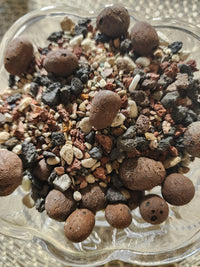
No single mix fits all. Match mix traits to plant needs—moisture-retentive blends for ferns, fast-draining mixes for succulents. Browse our soilless potting mixes for ready-to-use options.
What are coco coir’s traits and uses for houseplants?

Coco coir holds moisture while remaining airy, making it ideal for tropical houseplants and ferns that need steady moisture without waterlogging.
How does perlite improve drainage and aeration in soilless mixes?

Perlite is a lightweight volcanic glass that keeps mixes open, improving drainage and oxygen for succulents, cacti and other fast-draining plants. Pairing perlite with moisture-retentive components balances drainage and retention.
How do you choose the right soilless medium for your houseplants?
Consider water-holding capacity, aeration and how the medium affects feeding. Match those traits to a plant’s natural preferences for the best results.
Knowing common components of soilless mixes makes indoor gardening easier and more reliable.
What should you consider when choosing a hydroponic medium for indoor plants?
In hydroponics, prioritise nutrient retention, pH stability and water-holding capacity. Choose a medium that suits your system and test pH regularly so nutrients remain available.
How do different soilless media suit common Australian houseplants?
Match medium to origin: many Australian natives need very free-draining mixes with extra perlite, while rainforest species and ferns prefer moisture-retentive components like coco coir.
How do you transition your houseplants to a soilless growing medium?
Repot carefully to minimise shock—plan the move, use clean tools, and allow the plant time to settle after repotting.
Step-by-step: repotting into soilless mixes
- Preparation: Gather the mix, the correctly sized pot, clean tools, water and a tidy workspace.
- Remove the plant: Ease the plant from its pot without damaging roots or the root ball.
- Clean the roots: Remove old media and rinse if needed to clear pests or compacted soil.
- Repot: Set the plant at the proper depth, backfill with soilless mix without compressing.
- Water: Water to settle the mix, then allow the top layer to dry slightly while roots re-establish.
How should watering and feeding change with soilless media?
Soilless mixes drain faster—water smaller amounts more often. They don’t supply nutrients, so follow a regular fertiliser schedule and adjust the strength for each plant.
| Soilless Medium | Characteristics | Best Uses |
|---|---|---|
| Coco Coir | Holds moisture while staying airy | Tropical plants, ferns |
| Perlite | Lightweight and very free-draining | Succulents, cacti |
| LECA | Lightweight, reusable, stable drainage | Hydroponics, orchids |
This quick reference shows common soilless media and where they work best, so you can choose with confidence.
Soilless media simplify indoor plant care by improving root conditions and reducing pest risk. If you’d like help choosing, Leaf of Faith SA stocks several options for indoor gardeners.
Frequently Asked Questions
Which plants benefit most from soilless growing mediums?
Succulents, cacti and many tropicals like ferns benefit most. Tailor mixes to a plant’s native habitat for best results.
When should I repot my plants into a soilless mix?
Repot when roots crowd the pot, growth stalls, or the medium is compacted—ideally in spring or early summer for quicker recovery.
Can I make my own soilless potting mix at home?
Yes. Combine coco coir, perlite, vermiculite or peat moss to suit your plants. A starting mix of 50% coco coir and 50% perlite works for many houseplants—test small batches.
What should I do if plants show nutrient deficiency in soilless mixes?
Yellowing leaves or stunted growth often indicate a nutrient lack. Start a regular feeding routine with a balanced water-soluble fertiliser and adjust according to your plant's response.
How do I avoid overwatering when using soilless mixes?
Ensure good drainage and check the top few centimetres before watering. A moisture meter helps if you’re unsure.
Are there recommended soilless mix brands for beginners?
Look for mixes containing coco coir and perlite. Many reputable brands offer ready-to-use options—read labels to ensure the mix matches your plants.
What are the advantages of soilless potting mixes over traditional soil?
Better aeration and drainage, lower pest risk, and more precise fertilisation control compared with traditional soil.
How often should I water plants in soilless mixes?
Water more frequently but in smaller amounts; check the top few centimetres and adjust timing by plant type and pot size.
Can I use soilless mixes for outdoor containers?
Yes—soilless mixes work well outdoors where drainage matters. Monitor pots exposed to changing weather and adapt the mix if needed.
What role does pH play in soilless growing mediums?
pH affects nutrient availability. Most houseplants prefer slightly acidic to neutral mixes (around 5.5–7.0); test and adjust as needed.
How can I tell if a soilless mix is too compacted?
Slow drainage, surface pooling or poor growth indicate compaction—repot with a fresh mix or gently loosen the medium to restore airflow.
Are there disadvantages to soilless potting mixes?
Soilless mixes dry faster and require regular feeding. They can also cost more than garden soil—balance these trade-offs against the benefits for your routine and plants.