
Premium Orchid & Fern Fibre Substrate Solutions
Orchids are growing in popularity across Australia, and the substrate you pick has a big influence on plant health and flowering. Our Superior Orchid Fern Fibre Substrate is formulated for the needs of orchids, making it a reliable choice for both home enthusiasts and commercial growers. Below, we explain the substrate’s main benefits, how it’s used in commercial fit-outs and green walls, and its sustainability credentials. You’ll discover how fern fibre helps balance moisture and root airflow, plus practical answers to common questions for Australian conditions.
Key benefits of orchid fern fibre for commercial growing
Fern fibre gives a useful balance of water retention and aeration that suits commercial horticulture. Those two properties help create a steady, lower‑maintenance environment for orchids when grown at scale.
How fern fibre improves moisture control and aeration
The fibrous texture holds water where roots can reach it while allowing excess to drain away. That balance lowers the risk of root rot and keeps roots oxygenated — both essential for healthy orchids. Together, consistent moisture management and better airflow support stronger root systems and more dependable flowering.
Why fern fibre works well for Australian orchid culture
Australia’s swings in temperature and humidity can stress orchids; fern fibre buffers those changes by holding moisture without becoming soggy. It isn’t a significant nutrient source, so plan a regular feeding routine. With appropriate fertilisation, fern fibre commonly delivers steady, healthy results.
Using orchid fern fibre in commercial green walls and fit-outs
Outside of pots, fern fibre is prized for green walls and interior landscaping because it’s lightweight, breathable and helps keep plants healthy in vertical systems.
Case studies: commercial fit-outs that use fern fibre
Several commercial fit-outs — including office projects in Sydney — have used natural fibre substrates to support vertical plantings. These installations gain visual appeal and improved indoor air quality, while the substrate’s moisture retention can reduce watering frequency and support more sustainable maintenance schedules.
Installation and maintenance practices that boost performance
Correct installation and routine care make a noticeable difference. Mixing fern fibre with coarser drainage components improves aeration, and regular moisture and nutrient checks keep systems balanced. Organic fertilisers or slow‑release feeds lift nutrient levels and support vigorous growth in green walls and other commercial plantings.
Why orchid fern fibre is a sustainable horticulture choice
Sustainability matters in modern horticulture. Fern fibre is a natural, biodegradable medium that fits eco‑minded planting approaches.
How Fern Fibre Supports Environmental Sustainability
Fern fibre is made from plant material that, when harvested and processed responsibly, provides a renewable alternative to synthetic media. As it breaks down, it can return organic matter to the growing system, reducing reliance on non-renewable inputs and supporting healthier soil ecosystems.
Eco-friendly attributes relevant to Australia
We believe in responsible sourcing. While there isn't a single national certification specific to orchid fern fibre in Australia, we're committed to providing a product that aligns with eco-friendly practices.
How orchid fern fibre stacks up against other substrates
When choosing a growing medium, compare fern fibre with alternatives so you can match physical properties to your plants and site conditions.
Advantages over traditional and synthetic media
Compared with peat, fern fibre is renewable and avoids peatland extraction. Against some synthetic options, it provides natural aeration and a balanced water‑holding profile. Many growers find plants are healthier and easier to manage when fern fibre is part of the mix.
Best substrate choices for indoor plant installations
Fern fibre suits indoor use because it’s light and holds moisture without staying waterlogged. Coconut coir and perlite are common partners — combining them lets you adjust drainage, moisture and nutrient retention for specific indoor species. Remember that fern fibre usually needs nutrient supplementation to meet plant requirements.
Common questions about orchid fern fibre in Australia
As interest grows, growers regularly ask about composition, lifespan, pests and practical use. Below, we answer the most common queries.
What is orchid fern fibre substrate, and how is it made?
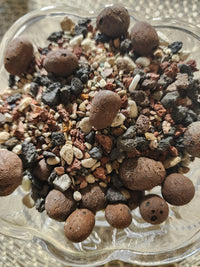
Orchid fern fibre is made from the fibrous parts of selected ferns. The material is harvested, dried and shredded into a light, textured medium suitable for epiphytic plants. Properly processed, it’s typically free of harmful chemicals and safe for potting and vertical systems.
How does fern fibre benefit plant health and growth?
Fern fibre creates a well‑aerated, moisture‑balanced root environment. That lowers the chance of overwatering and encourages beneficial microbial activity. With the right fertilisation, these conditions help plants develop strong roots and sustained growth.
Your Common Questions Answered
Can Orchid Fern Fibre Substrate Be Used for Other Plants Besides Orchids?
Yes. Fern fibre suits many epiphytic and moisture‑sensitive species — think bromeliads and some ferns — and it can be blended with other media to suit a wider range of plants. Match the mix to each species’ water and nutrient needs for best results.
How Often Should I Water Plants Grown in Orchid Fern Fibre Substrate?
Watering depends on the plant, pot size, local climate and substrate depth. As a rule, check the top 2–3 cm of the substrate: water when it feels dry. Ensure good drainage so excess water can escape, and adjust frequency with seasonal changes and plant responses.
Is Orchid Fern Fibre Substrate Suitable for Hydroponic Systems?
Fern fibre isn’t a typical medium for pure hydroponics because it’s a solid organic medium rather than an inert, water‑only system. It can, however, be used in hybrid setups where a moisture‑retentive medium is combined with nutrient solutions — but such systems require careful nutrient and moisture monitoring.
What Is the Lifespan of Orchid Fern Fibre Substrate?
Lifespan varies with use and environment, but expect fern fibre to remain effective for roughly one to three years before it breaks down noticeably. Regular top‑ups and good maintenance will extend its useful life; gradually decomposed material can add organic matter back into the growing system.
Are There Any Pests or Diseases Associated with Orchid Fern Fibre Substrate?
Fern fibre is generally clean when properly processed, but pests and pathogens can occur if conditions are poorly managed. Fungal issues and root mealybugs are possible. Prevent problems with good air circulation, sensible watering, and routine inspections; integrate biological or cultural controls as needed.
How Should I Store Orchid Fern Fibre Substrate Before Use?
Store it dry in a cool, covered place away from direct sunlight. Keep the packaging sealed or use an airtight container to prevent moisture uptake and contamination. Avoid damp storage areas to reduce the risk of mould before you use the substrate.
Can orchid fern fibre be used for growing vegetables or herbs?
While orchid fern fibre is primarily designed for epiphytic plants like orchids, it can also be beneficial for growing certain vegetables and herbs that prefer well-drained, moisture-retentive environments. However, it is essential to blend fern fibre with other substrates to meet the specific nutrient and moisture needs of these plants. Always consider the growth requirements of each species to ensure optimal results.
What are the best practices for fertilising plants in orchid fern fibre?
Fertilising plants grown in orchid fern fibre requires a balanced approach. Since fern fibre is low in nutrients, regular feeding with organic fertilisers or slow-release options is recommended. A general guideline is to fertilise every 4-6 weeks during the growing season. Monitor plant health and adjust the fertilisation schedule based on growth responses and specific plant needs to maintain optimal health.
How does orchid fern fibre compare to coconut coir?
Orchid fern fibre and coconut coir both serve as excellent growing mediums, but they have distinct properties. Fern fibre offers superior aeration and moisture retention, making it ideal for orchids and epiphytic plants. In contrast, coconut coir is more nutrient-rich and can be used for a broader range of plants. Combining the two can create a balanced substrate that optimises drainage and nutrient availability.
What environmental conditions are best for using orchid fern fibre?
Orchid fern fibre thrives in environments that mimic the natural habitats of orchids, which typically include warm temperatures and high humidity. It is essential to maintain good air circulation and avoid excessive moisture to prevent root rot. Ideal conditions include bright, indirect light and a stable temperature range, which can help maximise the benefits of the substrate for plant health.
Can I reuse orchid fern fibre substrate after the growing season?
Yes, you can reuse orchid fern fibre substrate, but it requires careful preparation. After the growing season, remove any dead roots and debris, and consider mixing in fresh fern fibre to replenish nutrients and aeration. Additionally, sterilising the substrate can help eliminate any pests or pathogens. Regular maintenance and top-ups can extend the life of the substrate and support healthy plant growth.
Is orchid fern fibre suitable for outdoor gardening?
Orchid fern fibre can be used in outdoor gardening, particularly in shaded or semi-shaded areas where orchids and similar plants thrive. Its moisture-retentive properties make it suitable for outdoor conditions, but it is crucial to monitor for excessive rain or direct sunlight, which can affect moisture levels. Combining fern fibre with other outdoor-friendly substrates can enhance its performance in various climates.
Conclusion
Choosing orchid fern fibre as your substrate solution offers significant advantages, including optimal moisture retention and aeration for healthier plant growth. This sustainable, biodegradable medium not only supports vibrant orchids but also aligns with eco-friendly horticultural practices. By integrating fern fibre into your growing systems, you can enhance plant health while reducing maintenance efforts. Discover our range of premium orchid fern fibre products today to elevate your gardening experience.