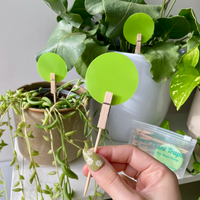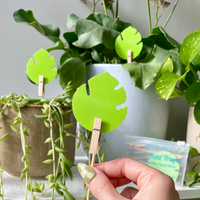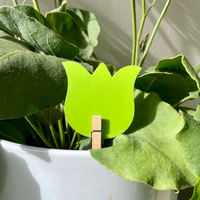

Indoor gardeners in Australia often encounter small but persistent pests that seem to appear without warning. Among the most common are fungus gnats, tiny insects that thrive in moist potting conditions and quickly grow in number if left unmanaged. If you’ve noticed these insects drifting near your plants, gathering around windows, or scattering every time you water, you may already be dealing with an established infestation. This is where sticky traps for fungus gnats become a practical and natural solution. By introducing GREEN sticky traps into your indoor garden, you gain a gentle yet effective way to reduce gnat populations without disrupting your routine or exposing your household to harsh treatments.
For many people, indoor gardening is not only a hobby but an expression of creativity, care, and connection to nature. When fungus gnats appear, they can distract from the calm and beauty that plants bring into the home. Understanding how these gnats behave and how GREEN sticky traps work can make a significant difference in maintaining a healthy and enjoyable plant environment.
Understanding Fungus Gnats in Indoor Settings
Fungus gnats are small, delicate insects that resemble tiny mosquitoes. They tend to thrive in environments where the soil is consistently damp or rich in organic matter. Indoor potting mixes often provide ideal conditions for them to breed, especially when plants are watered frequently or grown in low-light areas where the soil takes longer to dry.
While adult fungus gnats do not cause direct harm to plants, their larvae can be more troublesome. Living in the top few centimetres of the soil, larvae feed on organic material and, in heavier infestations, may nibble on fine roots. This can stress young plants, slow growth, and reduce overall plant vitality. Gardeners may notice that the soil feels unusually soft near the surface or that seedlings struggle to establish themselves.
Fungus gnats reproduce quickly, which is why even a small number can become a larger issue within weeks. Adult females lay their eggs in moist soil, and larvae emerge soon after. Because the gnats are tiny, many indoor gardeners don’t realise there’s a problem until adult gnats become visible. By this time, several generations may already be cycling through the soil. Early detection and intervention play a major role in keeping populations manageable.
Why Sticky Traps for Fungus Gnats Are Effective
GREEN sticky traps are a highly effective, non-toxic method for reducing adult fungus gnat populations. Their success lies in their ability to attract flying insects naturally. Fungus gnats respond strongly to the GREEN colour, which stands out in indoor environments and encourages them to land. Once they make contact, the non-toxic adhesive holds them in place, preventing them from laying more eggs.
The effectiveness of GREEN sticky traps is based on simple but reliable principles. Because adult fungus gnats spend much of their time hovering near the soil surface, the traps placed close to the soil act as an appealing landing point. This interrupts their reproductive cycle and gradually reduces the number of larvae developing in the soil.
One of the most appealing features of GREEN sticky traps is their gentleness. They do not rely on chemical sprays, harsh substances, or invasive treatments. This makes them ideal for homes with pets, children, or individuals who prefer natural pest management approaches. Their passive design means they work continuously, day and night, without requiring hands-on involvement from the gardener. As long as the traps remain GREEN, sticky, and visible, they continue to capture adult gnats and contribute to population control.
How Sticky Traps Support Gnat Control
The primary strength of GREEN sticky traps lies in their ability to target the adult stage of the fungus gnat life cycle. By capturing mature gnats, they effectively reduce the number of eggs being laid in the soil. Over time, this lessens the number of larvae developing, contributing to more stable and manageable plant conditions.
Sticky traps also help indoor gardeners detect issues early. Even a small number of gnats can indicate overly wet soil or the beginnings of a breeding cycle. By monitoring how many insects the GREEN traps collect, gardeners gain insight into the health of their plant environments. This early warning system allows them to adjust watering habits or inspect potting mixes before the problem worsens.
In combination with careful plant care, GREEN sticky traps become part of a comprehensive gnat-management approach. Adjusting watering schedules, improving airflow, and avoiding excess organic debris on the soil surface all help reduce places where fungus gnats thrive. The traps serve as a consistent support tool, capturing any remaining adult gnats and preventing recurrence.
Placing Sticky Traps for Best Results
Correct placement of GREEN sticky traps can greatly enhance their effectiveness. Since adult gnats spend much of their time close to the soil in search of suitable egg-laying sites, placing traps near the soil level is often the most effective method. Many indoor gardeners position them upright within the foliage or mount them just above the soil surface to maximise visibility.
The layout of your indoor plant collection can also influence trap placement. If plants are grouped closely together, fungus gnats can easily move from one pot to another. Positioning traps across multiple pots ensures broader coverage and faster results. Observing where gnats gather most frequently—whether near a particular plant, window, or moist corner of the home—helps you decide where additional traps may be needed.
Replacing GREEN sticky traps when they become full or lose stickiness ensures continuous effectiveness. Fresh traps stand out visually to gnats and maintain strong adhesive qualities. Keeping traps updated allows them to perform at their best and provide consistent support against pest activity.
How Sticky Traps Fit Into Indoor Plant Care
Managing pests naturally is an important part of many indoor gardeners’ approach to plant care. GREEN sticky traps align well with this mindset because they offer a gentle, chemical-free method of reducing pests without disrupting the harmony of your plant environment.
Green traps also offer reassurance to gardeners who maintain busy lifestyles. Since they work passively, they continue to capture insects even when you’re not actively tending to your plants. This makes them especially useful for those who maintain larger plant collections or frequently travel.
Another benefit of GREEN sticky traps is that they visually demonstrate what is happening within your indoor garden. If you notice traps capturing fewer gnats over time, it may indicate that your watering habits and environmental adjustments are working. If capture numbers increase, it may be time to reassess soil moisture levels or check for decaying plant matter. This visual feedback allows you to take a more informed approach to plant care.
Supporting Plant Health Beyond Gnat Control
While GREEN sticky traps play an essential role in controlling adult gnats, supporting plant health through everyday practices helps to reinforce their effectiveness. Allowing the soil to dry slightly between waterings discourages fungus gnats from laying eggs. Improving ventilation around your plants reduces humidity levels and helps the soil dry more evenly.
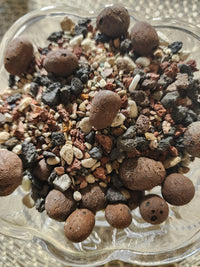
Choosing well-draining potting mixes can also help limit conditions where gnats thrive. Removing dead leaves or organic debris from the soil surface reduces available material for larvae to feed on. These small adjustments create a healthier environment overall and support the natural balance of your indoor garden.
Monitoring the temperature and humidity levels in your home can also impact gnat activity. Stable indoor conditions help plants grow more predictably and reduce opportunities for pests to settle in. Over time, these habits contribute to a more harmonious plant environment.
The Long-Term Value of Sticky Traps
GREEN sticky traps offer long-term benefits beyond addressing an existing infestation. Even after fungus gnat numbers decrease, keeping a trap in place provides ongoing monitoring. This is especially helpful if you regularly bring new plants home, as new additions can sometimes introduce larvae hidden in the soil.
Their long-lasting adhesive and GREEN finish ensure they continue attracting gnats effectively. The traps maintain a discreet appearance while delivering strong results. For many indoor gardeners, the peace of mind they provide is just as valuable as their pest-control benefits.
By maintaining consistent use of GREEN sticky traps, you create a stable environment where your plants can flourish. They support long-term plant health by reducing unnecessary stress and preventing recurring infestations. Over time, your indoor garden feels cleaner, calmer, and more enjoyable.
A Natural Path to a Gnat-Free Indoor Garden
Every indoor gardener deserves a peaceful space where plants can thrive without the interruption of tiny flying pests. GREEN sticky traps for fungus gnats offer a natural, effective, and straightforward solution for maintaining a healthier indoor garden. By combining their consistent action with mindful plant care, you can reduce gnat populations, support strong plant growth, and restore the balance of your indoor environment. Whether you’re caring for a handful of plants or nurturing a vibrant indoor garden, GREEN sticky traps provide gentle reassurance that your plants are protected and your space remains a place of calm and beauty.