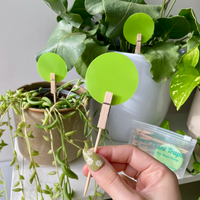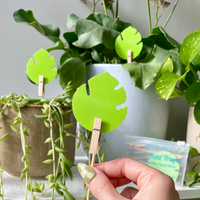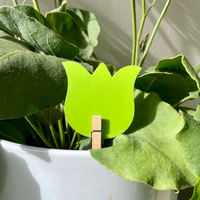

Indoor plant lovers across Australia know the frustration all too well: you lift a pot to water your favourite monstera or peace lily, only to see tiny flying insects take off from the soil. It’s a moment that can make even the most dedicated plant parent cringe. This is exactly why sticky traps for fungus gnats have become such a valuable tool for home gardeners who want to restore a healthy indoor environment without harsh methods. Sticky traps may seem simple, but they play an incredibly important role in understanding and managing these pests, especially when used alongside good plant care habits.
Fungus gnats are not just annoying; they can be a genuine problem for plant health if left unaddressed. While adult gnats cause little direct damage, their presence often signals what’s happening below the surface in your soil: excessive moisture, decaying organic matter and an environment where larvae can feed on tender roots. For plant lovers who pride themselves on creating thriving indoor jungles, sticky traps offer clarity, control and peace of mind. This guide explores why they work, how to use them effectively, and how they fit into a broader approach to healthier plants.
Understanding Fungus Gnats and Why They Appear
Many indoor gardeners assume fungus gnats arrive because plants themselves are attracting insects, but the real issue lies within the soil. These pests are drawn to moist, organic-rich potting mixes where they can lay eggs. When the soil stays wet for too long, or plants are potted in mixes that don’t drain well, the environment becomes ideal for larvae.
It’s usually the larvae—not the adults—that cause the most harm. As they feed on organic matter and fragile root hairs, they can slow plant growth, weaken young plants and make established ones less resilient. When populations get high, symptoms such as yellowing leaves or stunted growth may appear.
Sticky traps for fungus gnats don’t target the larvae; instead, they capture adults. By reducing the number of adults that can reproduce, you break the cycle. This is why sticky traps are so useful—they give you immediate insight into how many adult gnats are present and help you manage the problem while you adjust watering and soil conditions.
Why Sticky Traps Are So Effective
Sticky traps may appear simple, but their design and function make them one of the most dependable tools for dealing with fungus gnats. Their bright colour attracts the adults searching for places to land, and the adhesive surface captures them instantly. Because adult fungus gnats are weak fliers and tend to drift upwards when disturbed, placing traps near the soil line or slightly above it increases the chance of capturing them.
Another advantage is how visually sticky the traps are. The moment you place one in the soil, it becomes a monitoring tool. You can clearly track how many insects appear within hours or days, which helps you understand whether the population is rising, falling or stabilising. Many indoor plant owners find this comforting, especially when dealing with persistent infestations that seem invisible until they become overwhelming.
For busy households, sticky traps act as a silent helper—working constantly, even when you’re not paying close attention. Combined with thoughtful plant care, they make a noticeable difference in restoring balance to your indoor garden.
How Sticky Traps Fit Into a Larger Plant Health Strategy
Sticky traps alone won’t solve a severe fungus gnat issue, but they’re an essential part of the solution. Think of them as one pillar in a plant-care approach that includes proper watering, healthy potting mixes and attention to airflow.
One of the most important steps in controlling fungus gnats is letting the top layer of soil dry out between waterings. Gnats thrive in perpetually damp soil, so adjusting your watering habits makes a dramatic difference. Many indoor plants actually benefit from slightly drier conditions, as this helps roots develop strength and reduces stress.
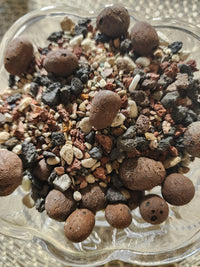
Improving drainage also helps enormously. A well-structured potting mix that allows air to circulate through the soil helps roots grow deeply and reduces the moisture levels that gnats depend on. If you’re repotting or refreshing soil, adding ingredients that keep the mix light and aerated can prevent further issues.
Once the underlying conditions are addressed, sticky traps support the recovery process by capturing any remaining adults. Over time, as the soil environment becomes less suitable for larvae, populations naturally decline. Sticky traps simply accelerate the improvement by preventing repeated breeding cycles.
Using Sticky Traps the Right Way
Many plant owners discover that the way sticky traps are positioned and maintained can influence how effective they are. While they are extremely easy to use, a thoughtful approach ensures maximum benefit.
The most effective placement is close to the soil surface, where adults hover and lay eggs. Some people position them slightly above the pot rim, while others push the trap directly into the mix with the sticky area exposed. Either method works, but the goal is to keep the traps near the areas where adult gnats spend most of their time.
Another consideration is the number of traps. In smaller homes with only a few plants, one trap per pot is usually enough. In larger plant collections, using one trap for every few pots can still capture a substantial number of adults. Regularly replacing traps when they become full or dusty ensures they remain effective, as adhesive works best when clean.
Many indoor gardeners also find that sticky traps help them identify whether adult insects around their plants are actually fungus gnats or something else. This is especially helpful if you’re unsure what’s flying around or whether the issue is as widespread as it seems.
Creating a Healthier Environment for Your Plants
Sticky traps do an exceptional job at reducing adult fungus gnat populations, but truly long-lasting results come from creating conditions where gnats simply can’t thrive. This usually starts with adjusting watering routines. Many plant owners water on a schedule rather than checking soil moisture, which often leads to accidental overwatering. Touching the soil, using a moisture meter or lifting the pot to feel its weight are excellent habits for understanding when a plant genuinely needs water.
Good airflow around plants also reduces moisture accumulation. This doesn’t require fans or complicated setups—simply avoiding overcrowding and allowing space between pots can help. When airflow improves, soil dries more evenly, lowering the risk of fungus gnat activity.
Repotting can also play a role. Fresh, high-quality potting mixes offer better structure and naturally discourage pests. If you’ve had ongoing issues, replacing the old mix with a cleaner blend can make a clear difference.
The combination of sticky traps, proper watering and good soil care creates an environment where plants thrive. Many people notice that once these habits develop, fungus gnats become a rare problem rather than a recurring one.
How Sticky Traps Help You Stay Ahead of Future Issues
Experienced plant owners often describe sticky traps as a preventative tool rather than just a response to an infestation. Once the initial problem is resolved, keeping a trap in place, especially in high-risk plants, helps catch the early signs of trouble. Because indoor conditions constantly shift with the seasons, changes in light, humidity and watering patterns can all affect soil moisture.
Having a trap in place acts like a silent alert. The moment you see even a few fungus gnats appearing, you can adjust your watering or check for other contributing factors before the issue spreads. This early detection is especially helpful in homes with large collections or in environments where plants share the same room and can influence one another.
Sticky traps also help you confirm when the infestation has truly ended. Many plant owners remove traps too quickly, assuming the problem is gone, only to see gnats reappear weeks later. Keeping a trap in the pot for an extended period eliminates guesswork and supports long-term plant health.
Why Sticky Traps Are a Safe and Natural Option for Households
One of the biggest advantages of sticky traps is that they offer a gentle, natural way to manage pests without introducing harsh chemicals into the home. This is especially important in Australian households with pets, children or people sensitive to aerosols or strong odours.
Sticky traps don’t interfere with plant growth, and they don’t affect beneficial insects in the way some treatments used outdoors might. They work quietly in the background, allowing you to focus on enjoying your plants rather than worrying about managing pests. For eco-conscious gardeners or those who prefer low-intervention methods, sticky traps strike the perfect balance between effectiveness and simplicity.
Rebuilding Confidence in Your Indoor Garden
Fungus gnats can make even the most enthusiastic plant owner feel overwhelmed, especially when they seem to multiply out of nowhere. But with a little patience and the right tools, the situation becomes manageable. Sticky traps reduce stress by giving you control and visibility, helping you understand what’s happening in the soil and how your plants are responding to changes.
For many indoor gardeners, addressing fungus gnats becomes an important learning experience. It encourages better watering habits, greater awareness of soil health and a deeper connection to the needs of each plant. Sticky traps simply ease the journey, making it easier to identify, understand and resolve the issue.
Bringing Your Plants Back to Their Best
Caring for indoor plants is meant to be enjoyable, relaxing and rewarding. When pests like fungus gnats appear, they can take the joy out of the experience. Sticky traps for fungus gnats help restore clarity and confidence, offering a simple but powerful way to keep your plants healthy. When combined with supportive watering habits, fresh potting mixes and awareness of environmental conditions, they become part of a long-term strategy for thriving indoor greenery.