
Soilless Potting Mix in Australia — Your practical guide to premium grow media for indoor plants
Soilless potting mix is popular among indoor plantkeepers across Australia because it avoids problems common with garden soil. This guide covers what soilless mix contains, how it improves drainage and root health, and how to choose or make the right blend. If you've faced root rot, soggy pots or poor drainage, a balanced soilless mix can boost plant vigour. Read on for key ingredients, selection tips and easy DIY blends.
Ready to Give Your Plants the Best?
Discover our premium soilless potting mixes, expertly blended for healthy indoor plants across Australia. Find the perfect mix for your green companions today!
What is Soilless Potting Mix and Why Choose It for Indoor Plants in Australia?
Soilless potting mix replaces garden soil with organic fibres and inorganic aggregates to give good aeration and reliable drainage. That combination reduces the risk of root rot and can help keep pests at bay, making it well-suited to indoor gardening.
How Does Soilless Mix Prevent Root Rot and Fungus Gnats?
By promoting fast drainage and air pockets, soilless mixes reduce standing water around roots. Perlite and coco coir hold moisture while keeping channels for oxygen, and without heavy garden soil, these blends are less hospitable to fungus gnat larvae.
What Are the Advantages of Using Premium Soilless Mix Over Traditional Soil?
Premium soilless mixes improve root aeration, retain moisture without becoming waterlogged and resist compaction, so roots stay healthy and active. Many modern blends include sustainable components, making them a greener option for houseplant care.
Which Key Ingredients Make Up Premium Soilless Potting Mix in Australia?

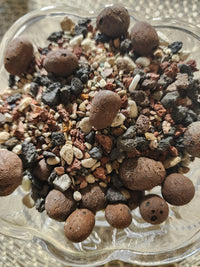
A premium soilless potting mix is a balanced blend of organic fibres and inorganic aggregates, so roots remain airy, the mix drains well, and it holds an appropriate amount of moisture.
| Ingredient | Role | Benefit |
|---|---|---|
| Coco Coir | Water retention | Holds moisture while allowing excess to drain |
| Perlite | Aeration | Improves drainage and prevents compaction |
| Pumice | Structural support | Adds texture and long‑term aeration |
| Tree Fern Fibre | Moisture retention | Helps retain humidity around roots |
| LECA (Lightweight Expanded Clay Aggregate) | Drainage | Excellent for quick drainage and root aeration |
What Roles Do Coco Coir, Perlite, and Pumice Play in Soilless Mix?
Coco coir stores water and releases it to the roots without staying waterlogged. Perlite keeps the mix open, so roots can access oxygen. Pumice gives a durable structure that resists breakdown and keeps the mix draining well over time.
How Do Tree Fern Fibre and LECA Enhance Plant Health and Drainage?
Tree fern fibre holds moisture while staying porous, which suits plants that prefer humidity. LECA creates rapid drainage and air pockets around the root ball. Used together, they support healthy roots and reduce waterlogging.
How to Choose the Best Soilless Mix for Your Indoor Plants in Australia?
Choosing the right soilless mix depends on the species, your home's humidity and light. Use chunkier mixes for epiphytic or aroid species and finer, more moisture‑retentive mixes for ferns and tropicals that prefer steady moisture.
What is the Ideal Soilless Mix for Aroids and Other Popular Houseplants?
Aroids and many houseplants favour a chunky mix that drains quickly but retains some moisture. A higher share of chunky perlite, coarse coco coir and bark or pumice creates air pockets while a small amount of organic matter holds enough water for regular use.
Where Can You Buy Premium Soilless Potting Mix Online in Australia?
When you're ready to upgrade your plant care, explore our range of premium soilless mixes. We focus on quality ingredients and blends designed for Australian indoor plant enthusiasts, ensuring your plants get the best start.
Can You Make Your Own Soilless Potting Mix in Australia?
Yes—you can mix your own soilless medium to suit particular plants or local conditions. DIY blends let you control texture, drainage and water‑holding capacity so plants get what they need.
What Are Simple DIY Recipes Using Local Ingredients Like Coco Coir and Perlite?

A basic recipe is equal parts coco coir, perlite and pumice for a well‑draining, moisture‑balanced mix. For drier conditions, increase perlite or pumice; for more moisture, add a little extra coir or some composted bark.
How to Customise Soilless Mixes for Different Australian Climates and Plant Needs?
Adjust ratios for local humidity and temperature. In humid coastal areas, reduce water‑retentive ingredients like coir; in dry inland regions, increase them. Consider each plant’s natural habitat and tweak until the mix holds moisture without staying soggy.
Frequently Asked Questions
What are the common mistakes to avoid when using soilless potting mix?
Common mistakes are overwatering (even soilless mix can stay too wet in a poorly drained pot), adding too much fine organic material that holds excess moisture, and not tailoring the mix to the plant. Use pots with drainage holes, check moisture before watering and select a mix suited to the species.
How often should I fertilise plants in soilless potting mix?
Soilless mixes usually contain little nutrition, so feed regularly. Use a balanced water‑soluble fertiliser during active growth (for example, a light weekly feed at reduced strength or a fuller feed every 4–6 weeks) and follow product instructions.
Can soilless potting mix be reused for multiple planting cycles?
You can reuse the soilless mix with refreshment. Sterilise or sun‑bake to reduce pests and pathogens, add fresh composted material or slow‑release fertiliser, and mix in some new perlite or coir to restore structure.
What types of plants thrive best in soilless potting mix?
Soilless mixes suit many indoor plants—tropicals, aroids, many succulents and ferns all perform well when given the right blend. Orchids and other epiphytes particularly benefit from chunky, well‑aerated mixes.
How can I tell if my soilless potting mix is too dry or too wet?
Check the top few centimetres: if it’s dry and crumbly, water; if it feels cold, heavy or compacted, it’s likely too wet. A moisture meter provides a reliable reading. Adjust watering frequency and pot size so the mix stays evenly moist but not saturated.
Are there any specific brands of soilless potting mix recommended for Australian conditions?
While we can't recommend specific brands, we encourage you to explore our carefully crafted soilless mixes, designed with Australian indoor plants in mind. Look for suppliers who clearly list their ingredients and focus on quality blends tailored for our unique climate and plant needs.