
Fernwood Tree‑Fern Fibre — what it is and why gardeners use it
Fernwood tree‑fern fibre is a favourite for many Australian plant lovers for its open, airy texture and reliable performance. This guide covers what the fibre is, why indoor and tropical plants respond well to it, simple DIY uses like moss poles, and where to buy quality fibre in Australia.
What Fernwood tree‑fern fibre is — and why it suits Australian gardens
Fernwood tree‑fern fibre is the fibrous inner layer from tree fern trunks, commonly sourced from New Zealand. It’s light, holds usable moisture without becoming waterlogged and helps potting mixes stay airy, offering a good balance of drainage and retention across Australian climates.
Definition and origin of Fernwood tree‑fern fibre
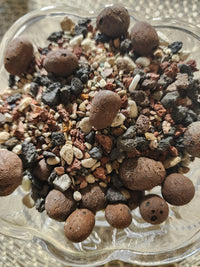
The fibre is taken from the coarse inner trunk and crown and processed into a loose, springy material that keeps structure in mixes. Because it mimics the airy, epiphytic conditions many orchids and aroids favour, growers use it in orchid mixes, aroid blends and as a moisture‑holding top layer.
Sustainable harvesting practices for New Zealand tree ferns
When collected responsibly — typically from dead or fallen material under regulated, selective harvesting — tree‑fern fibre can be lower impact and permit forest recovery; careful management is essential in native forests.
How Fernwood tree‑fern fibre helps indoor plants and aroids
Fernwood fibre improves aeration while retaining usable moisture and allowing excess water to drain, making it ideal for orchids, aroids and houseplants that dislike compacted, waterlogged mixes.
Improving aeration, drainage and moisture retention in potting mixes

Its stringy, open structure prevents compaction and helps oxygen reach roots, lowering root‑rot risk. Blend with potting soil, peat, perlite or coir to adjust moisture retention and drainage for each species.
Why growers choose Fernwood fibre for orchids and tropicals
Orchids and many tropicals need a free‑draining medium that still holds some moisture — fernwood fibre provides that balance and often improves root health and flowering.
How to use Fernwood tree‑fern fibre for moss poles and potting mixes
Fernwood fibre is versatile: mix it into potting media or wrap it around poles to make moisture‑retaining supports for climbers. Use simple methods to get reliable results.
Preparing and mixing Fernwood fibre for healthy growth
Shred or break the fibre into smaller pieces and mix with potting soil, perlite or coir. A 50/50 starting mix suits many houseplants; adjust for species needing drier or damper conditions.
DIY moss pole construction with Fernwood fibre

Use a sturdy central pole and bind strips of fibre with twine or fishing line; the textured surface holds moisture, aids attachment and raises local humidity for aerial roots.
Where to buy premium Fernwood tree‑fern fibre online in Australia
Leaf of Faith SA stocks premium Fernwood fibre and ships Australia‑wide, offering various bag sizes for single pots through to larger projects with a straightforward online checkout.
Buying options and sizes available at Leaf of Faith SA
Leaf of Faith SA offers a range of sizes, from smaller bags perfect for a few plants to larger options for bigger projects. You can find current availability and details on our website.
Shipping and customer support for Australian gardeners
We deliver across Australia and can advise on bag sizes and mix ratios — contact our team for personalised recommendations.
Fernwood tree‑fern fibre is a flexible, plant‑friendly medium well-suited to many Australian gardens, especially orchids and tropicals. Used responsibly in suitable mixes, it supports root health, improves drainage and balances moisture.
Frequently Asked Questions
What are the environmental benefits of using Fernwood tree‑fern fibre?
When sourced responsibly from dead or fallen material, it's biodegradable and can help reduce pressure on living trees.
How does Fernwood tree‑fern fibre affect plant growth?
It helps improve root oxygenation and moisture balance, which can reduce the risk of root rot and support healthier growth.
Can Fernwood tree‑fern fibre be used for seed starting?
Yes, when mixed with perlite or coir, it makes a light, well-draining seed mix. Just keep a close eye on the moisture levels.
What maintenance is required for plants grown in fernwood tree‑fern fibre?
Keep the medium damp but not soggy, refresh it if it becomes compacted, and keep an eye out for pests and mould.
Is Fernwood tree‑fern fibre suitable for all types of indoor plants?
It's excellent for epiphytes, orchids, aroids, and many tropical plants, but it's generally not ideal for plants that prefer consistently wet, compacted soils.
How can I tell if my Fernwood tree‑fern fibre is of good quality?
Good fibre feels light and springy, without excessive dust or clumps. It's always a good idea to check your supplier's sourcing and read reviews.
What are the best practices for using Fernwood tree‑fern fibre in potting mixes?
Start with a balanced ratio (like 50/50 with potting soil or coir), shred it before mixing, and monitor moisture levels.
What types of plants are best suited for fernwood tree‑fern fibre?
Orchids, aroids, many tropical houseplants, epiphytes, and climbers generally benefit most from its open texture.
How does Fernwood tree‑fern fibre compare to other potting materials?
It tends to retain its structure better than peat and is often looser and provides better drainage than coconut coir.
Can Fernwood tree‑fern fibre be used in outdoor gardening applications?
Yes, you can work it into garden beds or outdoor potting mixes to improve structure, aeration, and moisture retention, adjusting as needed for your plants.
What is the shelf life of Fernwood tree‑fern fibre?
If stored in a cool, dry place in a sealed bag, it can last for years. Damp storage, however, can risk mould and a loss of its beneficial texture.
Are there any specific care tips for using Fernwood tree‑fern fibre indoors?
Ensure good ventilation, avoid over-saturating the mix, check for damp spots, and keep your plants clean to help reduce disease risk.
How can I enhance the benefits of fernwood tree‑fern fibre in my potting mix?
Blend it with perlite, coir, or potting soil, and make sure to feed your plants according to their specific needs.
What are the signs that Fernwood tree‑fern fibre needs to be replaced?
It's usually time to replace it when it loses its springiness, becomes compacted, or starts holding noticeably less moisture.
What are the benefits of using Fernwood tree‑fern fibre for indoor plants?
It helps improve aeration and drainage while still retaining enough moisture for many tropical species to thrive.
How should I prepare Fernwood tree‑fern fibre before use?
Break or shred it into smaller pieces to increase its surface area, then mix it with potting soil, perlite, or coir.
Can Fernwood tree‑fern fibre be reused, and if so, how?
Yes, you can often reuse it. After a season, check for degradation; refresh or replace as needed. If you sanitise it, make sure it's thoroughly dry afterwards.
What types of plants should I avoid using the fernwood tree‑fern fibre with?
It's best to avoid species that prefer consistently wet, boggy, or heavily compacted soils, such as most succulents.
How does the sourcing of Fernwood tree‑fern fibre impact its quality?
Responsibly harvested fibre, typically from dead or fallen material, is usually of higher quality and more sustainable.
What are the common misconceptions about Fernwood tree‑fern fibre?
A common one is that it's only for orchids – many aroids and tropical houseplants also do really well in it!
How does Fernwood tree‑fern fibre support sustainable gardening practices?
When supplied by regulated operations that use dead material and selective harvests, it helps protect forests and allows for regeneration.
What is the ideal ratio for mixing Fernwood tree‑fern fibre with other media?
Ratios can vary by plant, but a 50/50 mix with potting soil or coir is a reliable starting point for many.
Can Fernwood tree‑fern fibre help with pest control in indoor plants?
Not directly, but improved aeration and drainage can make plants healthier, which in turn can reduce their susceptibility to pests by promoting stronger roots.
Is Fernwood tree‑fern fibre biodegradable?
Yes, it's a natural material that breaks down over time and adds organic matter to your mixes.
What are the signs that Fernwood tree‑fern fibre is degrading?
When it's degrading, it loses its springiness, dulls in colour, becomes compacted, and holds less moisture.
How can I ensure the quality of Fernwood tree‑fern fibre when purchasing?
Buy from reputable suppliers who are transparent about their sourcing and processing. Look for fibre that feels light and airy, and always check reviews.
What types of plants thrive best in fernwood tree‑fern fibre?
Orchids, aroids, epiphytes, climbers, and many tropical houseplants really thrive in its airy, moisture-balanced environment.
Can Fernwood tree‑fern fibre be used for outdoor gardening?
Yes, you can incorporate it into outdoor beds or mixes to improve structure and moisture management, adjusting to your plants' specific needs.
How does Fernwood tree‑fern fibre compare to other growing media?
It holds its structure better than peat and is generally more fibrous and well-draining than coconut coir.
Is Fernwood tree‑fern fibre suitable for hydroponic systems?
It's not typically used in pure hydroponics, but it can be useful in hybrid systems that combine soil-like components with hydroponic techniques.
What are the best practices for storing Fernwood tree‑fern fibre?
Store it in a cool, dry place in a sealed bag to prevent contamination. If it gets damp, make sure to dry it fully before storing.
Can I mix Fernwood tree‑fern fibre with other growing media?
Absolutely! Mix it with potting soil, perlite, or coir to achieve the right balance of moisture and drainage. A 50/50 mix is a great starting point.