
Discover the Best Natural Orchid Substrate – Tree Fern Mix for Healthy Orchids and Tropical Plants
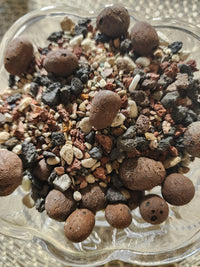
Choosing the right substrate is vital for orchids and tropical plants. A natural orchid substrate, such as a tree fern mix, balances moisture retention and aeration to support root health and flowering. Let's dive into why tree fern fibre is so good for your orchids, how to use it, and where you can find top-notch quality online.
What Makes Tree Fern Fibre the Ideal Natural Orchid Substrate?
Tree fern fibre is a lightweight, fibrous material that provides excellent aeration while holding moisture—qualities orchids need. Its structure supports healthy roots and, when sourced responsibly, is a good option for gardeners who prefer sustainable materials.
How Does Tree Fern Fibre Enhance Orchid Root Health?

The fibrous texture creates air pockets that improve oxygen flow and reduce the risk of root rot. At the same time, it holds enough moisture to keep roots hydrated without becoming waterlogged, supporting robust root development.
Why Is Moisture Retention and Aeration Crucial in Orchid Potting Mixes?
Orchids are epiphytes that need access to both air and water at their roots. A substrate that retains moisture yet drains well prevents overwatering and suffocation, and tree fern mix commonly achieves that balance.
How to Choose and Use Tree Fern Fibre Substrate for Orchids and Tropical Plants?
Choose finely shredded tree fern fibre for better aeration and consistent moisture retention. Prefer sustainably harvested products and match particle size to the species you grow—coarser for larger-rooted plants, finer for small or young orchids.
Which Tree Fern Fibre Products Are Available in Australia?
- Fernwood Tree Fern Fibre: Moisture retention and aeration for orchids.
- SPS Tree Fern Fibre: Finely shredded, lightweight and well-draining.
- Premium Orchid Mixes: Combine tree fern fibre with other organics to boost nutrients.
These items are available from garden centres and specialist online retailers.
What Are the Best Practices for Repotting Orchids with Tree Fern Mix?
- Timing: Repot during active growth (spring–early summer) to reduce stress.
- Preparation: Pre-soak the tree fern mix so it is evenly hydrated before potting.
- Technique: Remove the plant carefully, trim dead roots, and position roots in the new pot so they are supported but not buried too deeply.
These steps help orchids adapt quickly to their new substrate.
What Are the Benefits of Using Sustainable New Zealand Tree Fern Fibre?
Sustainably harvested New Zealand tree fern fibre preserves the material’s natural properties while protecting habitats. Responsible sourcing supports biodiversity and long-term availability of the resource.
How Does Sustainable Harvesting Impact Tree Fern Fibre Quality?
Responsible harvesting maintains fibre integrity—its ability to retain moisture and provide aeration—while keeping local ecosystems healthy, which in turn ensures consistent quality for growers.
What Role Does Mycorrhizal Fungi Play in Tree Fern Substrates?
Some tree fern substrates might even come with beneficial mycorrhizal fungi. These tiny helpers team up with your orchid's roots, boosting nutrient uptake and overall plant health. It's like giving your orchids an extra edge!
Where Can You Buy Premium Natural Orchid Potting Mix and Tree Fern Fibre Online?
High-quality natural orchid potting mix and tree fern fibre are widely available online. Many retailers list premium substrates tailored to orchid care.
Why Choose Leaf of Faith SA for Buying Orchid Tree Fern Substrate?
Leaf of Faith SA is an Australian online retailer offering indoor plants, accessories, and sustainably sourced growing media. Their curated selection focuses on quality and customer support.
How to Identify Authentic Fern Fibre for Orchids in Australia?
- Check for Certification: Prefer certified or sustainably sourced products.
- Examine the Texture: Genuine fibre is fibrous and lightweight, not compacted.
- Research the Brand: Select reputable suppliers with clear sourcing practices.
These checks help ensure you get fibre that supports healthy orchid growth.
| Product | Type | Benefits |
|---|---|---|
| Fernwood Tree Fern Fibre | Natural substrate | Moisture retention and aeration |
| SPS Tree Fern Fibre | Finely shredded | Lightweight and well-draining |
| Premium Orchid Mix | Mixed substrate | Enhanced nutrient availability |
This table highlights common tree fern fibre products and their primary benefits for orchid cultivation.
In summary, tree fern fibre is a dependable natural substrate for orchids and tropical plants, offering the aeration and moisture retention these species need. Choose quality, sustainably sourced products and follow proper repotting and watering practices to create a thriving growing environment. Leaf of Faith SA is a practical source for premium tree fern substrates.
Frequently Asked Questions
What are the signs that my orchids need repotting?
Repot when roots overcrowd the pot, grow through drainage holes, or the substrate breaks down and no longer holds moisture. Other signs are yellowing leaves or slowed growth. Repot during active growth (spring–early summer) to reduce stress.
Can I mix tree fern fibre with other substrates?
Yes. Mixing tree fern fibre with bark, perlite, or coir can improve drainage and structure. Adjust ratios to retain enough moisture without waterlogging—experiment to match your species and pot type.
How often should I water orchids planted in tree fern mix?
Water when the top of the mix feels dry—frequency depends on pot size, plant size, and conditions. Typically, this ranges from several days to weekly. Always allow excess water to drain to avoid root rot.
What nutrients do orchids need when grown in tree fern substrate?
Orchids need a balanced supply of N-P-K plus micronutrients (magnesium, calcium, and iron). Use a diluted orchid fertiliser during the growing season and follow label directions to avoid over-fertilising.
Are there any pests or diseases to watch for with orchids in a tree fern mix?
Watch for aphids, mealybugs, spider mites, and fungal issues like root rot. Maintain good air circulation, inspect plants regularly, and use organic control methods when possible. Prompt treatment limits spread.
How can I improve the sustainability of my orchid care routine?
Use sustainably sourced substrates, collect rainwater for irrigation, choose organic fertilisers, recycle pots, and prefer biodegradable supports. These steps reduce environmental impact while supporting plant health.