
Discover the Benefits of Lightweight Potting Mix Advantages for Your Needs
Lightweight potting mixes simplify indoor gardening by improving drainage and aeration while reducing container weight. As indoor gardening grows, these mixes help prevent common issues like waterlogging and poor root oxygenation. This article outlines key lightweight alternatives—LECA, tree fern fibre and perlite—and how to use them for healthier plants.
What Are Lightweight Soil Alternatives and Their Benefits?
Lightweight growing media (LECA, perlite, coco coir, etc.) are formulated to improve root health by enhancing aeration and drainage while cutting the bulk and weight of traditional soil. Benefits include reduced overwatering risk, easier handling for small spaces, and better root development.
How Do Soilless Growing Media Improve Indoor Plant Health?
Soilless media supply oxygen to roots and hold moisture without staying waterlogged, which lowers root-rot risk and supports vigorous foliage. Their lightweight makes pots easier to move and manage, especially in compact indoor setups.
Why Choose Lightweight Potting Mixes Over Traditional Soil?
Lightweight mixes are easier to lift, drain faster, and often combine organic and inorganic components to support healthy growth without added bulk. For many indoor gardeners, that balance of moisture retention and aeration makes these mixes a practical choice.
How Does LECA Enhance Indoor Plant Growth in Australia?

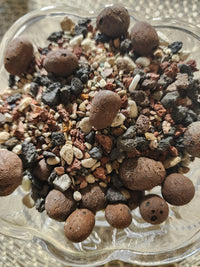
LECA (Lightweight Expanded Clay Aggregate) is clay pellets fired to become porous, lightweight aggregates. Their structure promotes strong drainage and root aeration, which is especially useful for Australian indoor growers seeking a consistent moisture balance without waterlogging.
What Are the Key Benefits of LECA for Root Aeration and Drainage?
LECA's porous pellets let air circulate around roots while holding enough moisture between waterings. That combination reduces root suffocation and rot, helping plants access nutrients and remain vigorous.
How to Use LECA Effectively for Different Indoor Plants?
Rinse pellets, place them to support the root zone, and water so that excess water drains through the LECA. Avoid letting roots sit in standing water; used properly, LECA gives a consistent moisture/air balance that benefits many houseplants.
What Are the Advantages of Tree Fern Fibre and Perlite in Gardening?

Tree fern fibre and perlite are lightweight alternatives with distinct strengths: tree fern fibre holds moisture and supports epiphytic growth while being biodegradable; perlite improves drainage and prevents compaction in mixes.
How Does Tree Fern Fibre Support Sustainable and Healthy Plant Growth?
Tree fern fibre is an organic, fibrous medium that retains moisture without compacting, giving roots room to grow. It is well-suited to orchids and other plants that need both moisture and airflow around their roots.
Why Is Perlite a Preferred Alternative Soil Amendment?
Perlite is lightweight, porous and improves aeration and drainage in potting mixes. It helps prevent compaction, retains a modest amount of moisture, and pairs well with other components to improve overall soil structure.
| Alternative | Key Benefit | Application |
|---|---|---|
| LECA | Excellent drainage and aeration | Ideal for most indoor plants |
| Tree Fern Fibre | Moisture retention and sustainability | Best for orchids and epiphytic plants |
| Perlite | Lightweight and improves drainage | Suitable for various potting mixes |
This comparison highlights how each alternative uniquely supports plant health, helping gardeners select the right mix for specific species and conditions.
Frequently Asked Questions
What types of plants benefit most from lightweight potting mixes?
Many indoor plants benefit, especially succulents, orchids and ferns. Succulents prefer faster-draining mixes like LECA, while orchids often do better with moisture-retentive tree fern fibre.
Can I create my own lightweight potting mix at home?
Yes. Common blends use perlite, coconut coir and vermiculite; adjust ratios for drainage or moisture retention depending on your plants' needs.
How often should I water plants in lightweight potting mixes?
Watering depends on species and conditions. Check the top inch of the mix and water when it feels dry; lightweight mixes often dry faster than heavy soils.
Are there any downsides to using lightweight potting mixes?
They can dry out more quickly and may lack nutrients, so expect slightly more frequent watering and regular feeding as needed.
How do I know if my lightweight potting mix is working effectively?
Healthy foliage, firm stems, and vigorous roots indicate success. Monitor moisture and adjust mix or care if you see yellowing or stalled growth.
Can lightweight potting mixes be used for outdoor gardening?
Yes—they work well in containers and raised beds. Consider local climate and adjust the mix for outdoor moisture needs, then monitor and adapt watering.