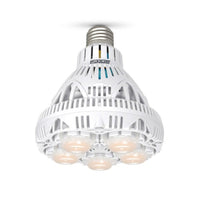

Ultimate Grow Light Guide for Seedlings
Strong seedlings make everything that comes after easier. This guide explains why full‑spectrum grow lights matter for seedlings, how to choose the right fixture, and how to set it up so your young plants thrive. Full‑spectrum LEDs mimic daylight and supply the wavelengths seedlings need to form sturdy roots and compact foliage. If your seedlings are stretching or looking weak, light is often the culprit. Read on for clear, practical advice — wattage, spectrum, and setup tips — so your seedlings get the best possible start with quality options available from Leaf of Faith SA.
Why Full-Spectrum LED Grow Lights Work So Well for Seedlings
Full‑spectrum LEDs provide a balanced range of wavelengths close to natural sunlight — exactly what seedlings need. They combine blue and red wavelengths (with small amounts of UV/IR in some fixtures) to support photosynthesis and healthy form. That balance helps seedlings develop strong stems and roots and prevents the legginess that comes from weak light.
How Full-Spectrum Light Mimics Natural Sunlight for Seedlings
These fixtures cover the visible bands plants use most. Blue wavelengths promote compact, leafy growth while red wavelengths support later stages such as flowering and fruiting. Seedling‑focused LEDs usually keep UV and IR low and concentrate on the visible spectrum, creating a daylight‑like environment under controlled conditions.
Why Blue and Red Light Matter for Young Plants
Blue light keeps seedlings compact with short internodes and fuller leaves. Red light becomes more important later, helping the plant transition to flowering and fruiting. Using both in the right balance gives seedlings the structure they need to transplant successfully into larger pots or outdoors.
Choosing the Best Full-Spectrum Grow Light for Seedlings in Australia
Choose a grow light based on wattage, colour temperature (Kelvin) and the area it covers. Together, those factors determine whether your seedlings receive even, healthy light.
Recommended Wattage and Kelvin for Seedling Growth
For seedlings, aim for about 20–40 watts per square metre (not per square foot). A colour temperature between 5000K and 6500K produces a cool, daylight‑like spectrum that suits young plants. That combination delivers the intensity and visible bands seedlings use for steady early growth.
Matching Light Coverage to Your Growing Space
Measure the bench or tray area where your seedlings live and choose a light rated to cover that footprint. For example, a 2x2 ft tray needs a fixture that can evenly illuminate the same area. Also, check the manufacturer’s recommended mounting height — how high you hang the light changes how much usable light reaches the plants.
If you’re shopping, Leaf of Faith SA offers a range of quality grow lights suited to seed trays and small indoor setups, so you can match coverage to your space.
How to Set Up Full-Spectrum Grow Lights for Seedlings
Placement and timing matter. Follow a few simple setup rules and watch your seedlings for signs the light needs adjusting.
How Far Should Grow Lights Sit Above Seedlings?
Keep LED grow lights roughly 12–24 inches (30–60 cm) above seedlings, depending on the fixture’s output and the maker’s guidance. As seedlings grow, raise the light to maintain consistent intensity. Look for stretching (too little light) or bleached/yellow leaves (too much) and tweak the height as needed.
How Long Should Seedlings Be Under Grow Lights Each Day?
Seedlings usually do well with 12–16 hours of light daily. That mimics a long daylight period and supports steady photosynthesis. Use a timer for consistency and allow 8–12 hours of darkness so seedlings can rest and recover.
Which SANSI Full Spectrum Grow Lights Fit Seedling Needs?
SANSI make several full‑spectrum LEDs that suit seedlings, offering reliable output and strong energy efficiency — a sensible choice for indoor growers.
Features of SANSI 36W and 24W Grow Lights for Seedlings
The SANSI 36W delivers stronger output for larger trays or more light‑hungry seedlings, while the 24W is a good fit for compact setups or fewer plants. Both provide full‑spectrum output with the key wavelengths seedlings need, and they’re energy efficient — effective light without excessive power use.
Why Clear Nursery Pots Help When Using Grow Lights
Clear nursery pots let you monitor root development without unpotting — handy when you’re fine‑tuning water and nutrients under strong grow lights. Seeing roots early helps you avoid root‑bound seedlings and make care adjustments before problems show aboveground.
Frequently Asked Questions
How often should I change the position of my grow lights?
Adjust the light height every week or two as seedlings grow to keep the recommended 12–24 inch (30–60 cm) distance. Regular tweaks keep light intensity steady and prevent stretching. Always watch for signs of stress — yellowing leaves or lanky stems — and fine‑tune as needed.
What is the best time to start using grow lights for seedlings?
Begin using grow lights as soon as seeds germinate and seedlings emerge. Early light helps stems and leaves develop correctly. Aim for 12–16 hours of light daily for indoor starts to mimic a long daylight period and promote robust early growth.
Can I use grow lights for other plants besides seedlings?
Absolutely. Full‑spectrum grow lights are versatile — they work for seedlings, mature plants, flowering crops and herbs. Just adjust intensity and daily hours to match each plant’s needs.
What should I do if my seedlings are turning yellow?
Yellowing can come from several causes: too much light, too little nutrition, or watering issues. First, check the light distance — raise the fixture if it’s too close. Then review your watering so the soil stays moist but not waterlogged. If needed, add a light fertiliser to correct nutrient shortfalls. Small adjustments usually fix the issue.
How can I ensure even light distribution for my seedlings?
Place the grow light centred over the tray and choose a fixture rated to cover the area. If you use multiple lights, space them evenly to avoid dark spots. Rotating trays every few days also evens exposure. Check your seedlings regularly and adjust if growth looks uneven.
What are the signs that my seedlings are ready to be transplanted?
Seedlings are usually ready to transplant when they have a healthy root system — often visible at drainage holes — and at least two sets of true leaves. They should be sturdy enough to handle and gradually hardened off by exposing them to outdoor conditions before final transplanting to reduce shock.