

Full-Spectrum Grow Lights for Seedlings in Australia: Your Guide to Healthy Indoor Plant Propagation
Full-spectrum grow lights mimic sunlight and supply the wavelengths seedlings need for strong early growth. This guide explains why they matter, how to choose LED options in Australia, and how to set up lights for indoor seedlings. Use these tips to avoid weak, leggy seedlings and improve survival and vigour.
What Are Full-Spectrum Grow Lights and Why Are They Essential for Seedlings?
Full-spectrum grow lights emit a broad range of wavelengths similar to sunlight, supplying the light seedlings need for photosynthesis and balanced development during early growth stages.
How Does Full-Spectrum Light Mimic Natural Sunlight for Seedling Growth?
They mix blue, red and green wavelengths: blue supports compact vegetative growth; red supports flowering and later stages; green penetrates leaf tissue to improve overall light use. A balanced mix helps seedlings form strong stems and healthy leaves.
Which Light Wavelengths Support Photosynthesis and Seedling Development?
Blue light promotes chlorophyll and leaf growth; red aids flowering and development; green helps light penetrate leaves. A full spectrum ensures seedlings receive the complementary wavelengths needed for photosynthesis and structure.
How to Choose the Best LED Grow Lights for Starting Seeds in Australia?

Choose LEDs that match your space and plants — the right light affects seedling health and outcomes.
- Light Spectrum: Look for lights that offer a full spectrum, including both blue and red wavelengths, to support all stages of plant growth.
- Energy Efficiency: Choose LED lights that consume less energy while providing high light output, as this will save on electricity costs in the long run.
- Adjustability: Opt for lights with adjustable intensity and height settings to accommodate seedlings as they grow.
What Features Make SANSI and Other LED Grow Lights Ideal for Seedlings?
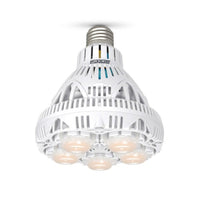
SANSI LED grow lights are a popular choice for seedlings, known for their energy efficiency and broad spectrum output. They offer a balanced light spectrum that supports both vegetative growth and flowering, making them versatile for various plant types. Plus, SANSI lights are generally built to be durable, aiming to provide consistent lighting throughout your seedlings' journey.
LED vs Fluorescent Grow Lights: Which Is Best for Young Plants?
LEDs typically outpace fluorescents: more energy-efficient, run cooler and last longer. Fluorescents can work for seedlings but often need more frequent replacement and may emit excess heat, so LEDs are usually the better choice.
What Is the Optimal Grow Light Setup for Seedlings Indoors?

Correct setup balances distance and daily hours so seedlings get enough light without damage.
How Far Should Full-Spectrum Grow Lights Be from Seedlings?
Keep lights about 12–24 inches (30–60 cm) from seedlings, adjusting based on intensity. Watch for leaf curl or discolouration and raise lights if seedlings show stress.
What Is the Recommended Daily Light Schedule for Seed Starting?
Use 14–16 hours of light with an 8–10 hour dark period to mimic growing-season daylight and allow seedlings to rest and recover.
How Can Indoor Plant Propagation Lights Improve Seedling Health and Growth?
Full-spectrum propagation lights prevent leggy seedlings and poor leaf development by providing consistent wavelengths for photosynthesis.
What Are Common Seedling Problems Under Grow Lights and How to Fix Them?
Seedlings may stretch, yellow or burn under grow lights. Stretching signals too little light; yellowing often points to nutrient or watering issues; leaf burn means lights are too close. Correct distance, duration and watering will reduce these problems.
How Do Full-Spectrum Lights Enhance Root Development and Leaf Expansion?
Balanced light encourages root growth and leaf expansion, improving nutrient uptake and photosynthetic capacity so seedlings establish more quickly and robustly.
| Light Type | Spectrum Coverage | Energy Efficiency | Durability |
|---|---|---|---|
| LED | Broad Spectrum | High | Excellent |
| Fluorescent | Limited Spectrum | Moderate | Good |
| Incandescent | Limited Spectrum | Low | Basic |
Understanding and using full-spectrum grow lights will improve your indoor gardening results. Select appropriate LEDs, set them up properly and address seedling issues early. For quality grow lights in Australia, consider SANSI.
Frequently Asked Questions
What are the benefits of using full-spectrum grow lights over traditional lighting options?
They mimic sunlight, improve photosynthesis, run more efficiently, produce less heat and last longer than incandescent or fluorescent bulbs.
How can I tell if my seedlings are getting too much or too little light?
Stretching and thin stems indicate too little light; curled, yellow or scorched leaves can mean too much. Adjust height and duration accordingly.
Can I use full-spectrum grow lights for other types of plants besides seedlings?
Yes. They suit all growth stages and many plants—herbs, vegetables and flowering species—because they supply complementary wavelengths for vegetative and flowering phases.
What is the ideal temperature for seedlings under grow lights?
Aim for about 20–25°C (68–77°F). Monitor with a thermometer and raise lights or improve ventilation if heat stress appears.
How often should I change the bulbs in my grow lights?
LEDs are known for their long lifespan and generally don't need frequent replacement; fluorescents, however, tend to dim sooner and might need changing more regularly.
Are there any specific brands of full-spectrum grow lights recommended for beginners?
Beginners often choose SANSI or Mars Hydro for reliable, user-friendly LEDs. Check specs and reviews to match coverage, output and budget.


1 comment
Are spectrum lighting is of any use before the seeds sprout.