
Lightweight Potting Mix Australia — simple tips for lighter, easier plant care
If you want an easier, lighter way to pot and care for plants, lightweight soil alternatives are a good place to start. They make pots easier to move, improve root health and reduce routine maintenance. This guide covers common lightweight growing media, how to choose the right mix, practical tips and environmental benefits.
What are lightweight soil alternatives — and why use them?
Lightweight soil alternatives are soilless or reduced‑weight growing media that prioritise aeration, drainage and balanced moisture. Common choices include coco coir, perlite and LECA (lightweight expanded clay aggregate). They keep roots aerated, drain well and make pots easier to lift — useful for hanging baskets and indoor setups.
Which types of lightweight growing media work best for easy gardening?

- Coco coir: From coconut husks, it holds water yet stays airy — biodegradable and versatile.
- Perlite: White volcanic granules that boost drainage and aeration when mixed into potting blends.
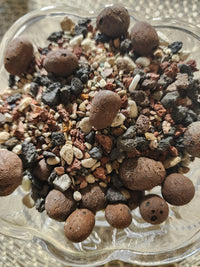
- LECA: Lightweight fired clay pellets that are porous, reusable and excellent for drainage and root airflow.
You can combine these components to make potting blends tailored to each plant — see the recipes and tips below.
How do lightweight soilless media improve indoor plant health?
These media boost aeration and drainage, reducing the risk of root rot and helping roots access nutrients. Better oxygen around roots typically leads to stronger growth and healthier foliage.
How to choose the right lightweight potting mix for your plants?
Choose a mix based on a plant’s water use, nutrient needs and growth habit. Matching the blend to the plant is better than using one mix for everything.
Understanding common potting mix components makes picking or tweaking a blend much easier.
- Moisture retention: Succulents need fast‑draining mixes; tropicals prefer mixes that retain more moisture.
- Nutrient content: Look for potting mixes with organic matter or added nutrients if you want lower maintenance.
- Plant type: Aroids and orchids do best in airy mixes; ferns and many tropicals favour slightly moister blends.
What are the best lightweight soil alternatives for indoor plants in Australia?
- Coco coir: Moisture‑holding and versatile.
- Perlite: Improves drainage — great for succulents and cacti.
- LECA: Suited to hydroponic and semi‑hydroponic setups and plants requiring exceptional aeration.
These materials are widely available from plant suppliers.
Which plants benefit most from lightweight potting mixes?
- Succulents: Perlite‑rich mixes prevent root rot.
- Aroids: Philodendrons, pothos and similar plants like the aeration provided by coir and LECA.
- Orchids: Need very airy mixes so roots can breathe.
Use the right mix, and you’ll see quicker improvements in vigour and growth.
Practical tips for using lightweight soil alternatives

Follow a few simple practices to get the best results.
- Mixing media: Combine ingredients to suit the plant; coco coir plus perlite balances moisture retention with drainage.
- Watering adjustments: Lightweight mixes dry faster than garden soil — check moisture and adapt your schedule.
- Avoid over‑fertilising: Use fertiliser as directed; lightweight media hold fewer nutrients, so regular, balanced feeding helps.
DIY lightweight potting mix recipes
Simple recipes let you tailor blends quickly:
- Basic mix: Equal parts coco coir and perlite — versatile and well‑draining.
- Succulent mix: Two parts perlite, one part coco coir, one part coarse sand — fast‑draining.
- Orchid mix: LECA with shredded coconut husk or orchid bark — very airy.
How to adjust watering and care with lightweight media
Lightweight media need a slightly different approach:
- Watering frequency: Check the top layer; water when it feels dry.
- Signs of over/under‑watering: Yellowing often indicates overwatering; wilting or brittle leaves can mean underwatering.
- Fertilisation: Use slow‑release products or regular liquid feed during the growing season to supply nutrients.
Why choose sustainable lightweight soil alternatives?
Sustainable lightweight media reduce environmental impact while supporting plant health.
- Reduced environmental impact: Coco coir is a renewable by‑product and avoids digging native soil.
- Improved root environment: Lightweight substrates improve structure and support beneficial microbes.
- Less waste: Reusable products like LECA cut single‑use waste.
Environmental benefits of coco coir and similar substrates
- Renewable resource: Coco coir is made from coconut husks.
- Carbon outcomes: Organic substrates can sequester carbon more than some mineral‑only mixes.
- Biodiversity support: Sustainable substrates encourage healthier microbial communities.
How lightweight alternatives support root health and pest prevention
- Aeration: Better airflow reduces root‑rot risk.
- Moisture control: Balanced moisture deters pests and fungal problems.
- Reduced chemical use: Healthier roots often need fewer pesticides.
| Lightweight media | Key benefits | Best uses |
|---|---|---|
| Coco coir | Good moisture retention; sustainable | Most indoor plants are tropical species |
| Perlite | Excellent drainage; very light | Succulents, cacti, seed starting |
| LECA | Reusable; great aeration and drainage | Hydroponics, orchids, drainage layers |
Lightweight soil alternatives simplify potting and can improve plant health. With the right mix and attention to watering and nutrition, you can grow thriving indoor plants while choosing more sustainable materials.
Frequently Asked Questions
Can I use lightweight potting mixes for outdoor plants?
Yes — they can work outdoors, but consider climate and plant needs. You may need to blend with garden soil or add organic matter to increase moisture retention and nutrients.
How do I store leftover lightweight potting mix?
Keep leftover mix in a cool, dry, airtight container. Label it with components and date, and store it away from direct sun or extreme temperatures.
Can I mix different types of lightweight media?
Yes. Combining media lets you customise blends for each plant — for example, coco coir plus perlite for balanced retention and aeration. Test small batches to find the right ratio.
What signs indicate that my plants are not thriving in lightweight media?
Look for yellowing leaves, wilting, slow growth or root problems. These often point to watering frequency, nutrient shortfalls or an unsuitable mix; small adjustments usually fix the issue.
Are there any drawbacks to using lightweight potting mixes?
They dry out faster and hold fewer nutrients, so watering and feeding may need to be more frequent. Match the mix and care to your plant’s specific needs.
How do lightweight potting mixes affect pest management?
By preventing overwatering and promoting healthy roots, lightweight mixes can reduce pest problems. Maintain good hygiene and monitor plants to keep pests at bay.