
Plant-safe pest control that actually works
Keeping your indoor plants healthy often means dealing with pests without resorting to harsh chemicals. Yellow sticky traps are a fantastic, low-impact way to catch flying pests and keep your plant foliage clean and residue-free. We'll show you why yellow works so well, where to pop your traps, and how to team them up with other eco-friendly tools. For all your plant-safe pest control supplies, check out our range here.
What are yellow sticky traps — and how do they work?
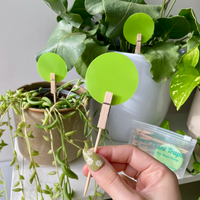
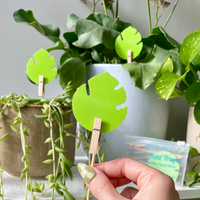
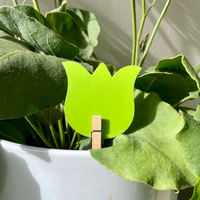
Yellow sticky traps are adhesive cards with a bright yellow surface that attracts flying insects; when insects land, they become stuck. They’re a simple monitoring and control tool that avoids chemical residues.
Why does the colour yellow attract indoor plant pests?
Yellow looks a lot like nectar, fruit, or fresh young shoots – visual signals that naturally attract many common pests like fungus gnats, whiteflies, and thrips. By placing traps strategically, you can catch these insects before they have a chance to damage your plants or lay eggs.
How does the adhesive catch flying insects safely?
The glue is non-toxic and formulated to remain tacky without harming plants. Set cards around pots to lower adult numbers without leaving chemical residue in your home.
Which common indoor plant pests do yellow sticky traps catch?

Yellow sticky traps are brilliant for catching several common indoor pests, including:
- Fungus Gnats: These tiny flies have larvae that munch on roots in your potting mix. Traps help reduce the adult population, breaking their life cycle.
- Whiteflies: Nasty sap-suckers that can spread disease. Our sticky cards help you keep an eye on them and bring down their numbers.
- Thrips: Small insects that can scar leaves and flowers. Traps catch the adults, taking some pressure off your plants.
How do yellow sticky traps control fungus gnats?
By catching adult fungus gnats with yellow cards, you reduce how many eggs they can lay, which naturally brings down larval numbers over time. It's best to place traps low, right near the soil, as that's where these adults are most active.
What other pests are effectively trapped?
Sticky traps will also catch aphids, leafhoppers and other small flying insects, making them a useful early-warning and pressure-reduction tool.
How to use yellow sticky traps effectively for natural indoor plant pest control?
Placement and upkeep matter. Use these practical tips to improve capture and monitoring:
- Placement: Set traps at pot bases or where you see activity to intercept insects early.
- Density: Use multiple traps in larger collections to avoid blind spots.
- Monitoring: Check weekly and replace cards when dusty or crowded; a saturated card stops working.
Where and how should traps be placed for best results?
Place traps low near soil for fungus gnats; for other flyers, position traps along likely flight paths near windows, doors or vents to intercept movement.
How often should yellow sticky traps be replaced?
Inspect weekly and replace when covered or dusty. Typically, swap cards every two to three weeks, sooner with heavy catches.
How to integrate yellow sticky traps with other eco-friendly pest control methods?

Think of sticky traps as a key part of your overall pest management strategy. They're brilliant for monitoring and reducing adult pests, while other methods can tackle larvae and crawling critters.
- Neem Oil: A fantastic plant-derived option you can use on soil or foliage to help control both larvae and adult pests when applied correctly.
- Diatomaceous Earth: This natural, fine powder is super effective on crawling pests around your pots, leaving the traps to handle the flyers.
- Holistic Plant Care: Simple things like correct watering, using good potting mix, and balanced feeding can make a huge difference, reducing pest attraction and boosting your plants' natural resilience.
What complementary natural solutions address larvae and root causes?
Combine traps with targeted soil treatments (for example, neem-based products) to reduce larval populations and break pest cycles.
How to combine sticky traps with holistic plant care practices?
Use traps alongside correct watering, occasional potting-mix refreshes, proper light and feeding. Traps act as an early-warning system so you can fix issues before they escalate.
| Method | What it does | Why it helps |
|---|---|---|
| Yellow Sticky Traps | Adhesive cards that catch and hold flying insects | Easy monitoring and a steady reduction of adult pests |
| Neem Oil | A natural solution from neem tree seeds and leaves | Helps treat both adult pests and those pesky soil-dwelling larvae when used properly |
| Diatomaceous Earth | A fine, natural powder that works by dehydrating insects | Great for crawling pests around your pots and on the soil surface |
So, there you have it! Yellow sticky traps are a brilliant, low-impact, and effective tool for any indoor gardener. When you team them up with natural treatments and a bit of good plant care, you'll help your plants thrive beautifully without any harsh chemicals. If you're ready to stock up on supplies, pop over to Leaf of Faith SA.
Frequently Asked Questions
What types of pests can yellow sticky traps catch besides fungus gnats?
They're great for catching whiteflies, thrips, aphids, leafhoppers, and lots of other small flying insects – super handy for both monitoring and reducing pest numbers.
How can I enhance the effectiveness of yellow sticky traps?
For best results, place traps at the base of your pots and along common flight paths. Use a few cards for better coverage, and remember to check them regularly.
What are the best practices for maintaining yellow sticky traps?
Give them a weekly check-up! Replace cards when they're looking dusty or crowded with insects – usually every two to three weeks, or sooner if you're catching a lot.
Can yellow sticky traps be used in combination with other pest control methods?
Absolutely! They work a treat when teamed up with neem oil, diatomaceous earth, and good plant care practices to tackle pests at all their life stages.
What should I do if I notice a decline in trap effectiveness?
First, double-check their placement and make sure the adhesive is still sticky. You might want to try adding more traps or bringing in some complementary soil and larval controls.
Are there any environmental considerations when using yellow sticky traps?
They're generally quite eco-friendly! Just pop used cards into a plastic bag for disposal, and try to avoid catching any beneficial insects if you can.
How do I choose the right location for my yellow sticky traps?
For fungus gnats, place them close to the base of your pots. For other flying pests, position them along common flight paths, like near windows, doors, or vents.
What are the limitations of using yellow sticky traps?
While they're brilliant at catching flying adults, they won't directly affect eggs or larvae in the soil. That's why it's best to combine them with soil treatments and good plant care to manage pests at every stage.
How can I tell if my yellow sticky traps are full?
Just give them a weekly peek! If the surface is covered with insects or debris, it's time for a fresh card.
Can yellow sticky traps be used in greenhouses?
Absolutely! Spread them around your susceptible plants and make sure to rotate or replace the cards regularly.
What should I do if I accidentally touch the adhesive?
Don't worry, the glue is non-toxic! You can easily remove any residue with a bit of vegetable or baby oil, then wash your hands with soap and warm water.
Are there any specific plants that should not be near yellow sticky traps?
Our traps are safe for most plants. Just try to avoid pressing them directly against delicate flowers or foliage to prevent any accidental damage.
How do I dispose of used yellow sticky traps?
Simply pop the used cards into a plastic bag and toss them in your household waste – keeps things tidy!
Can yellow sticky traps be reused?
No, they're designed for single use. Make sure to change your traps every 2–3 weeks, or sooner if they're looking particularly soiled.
Are yellow sticky traps safe for pets and children?
Yes, the adhesive is non-toxic. However, it's always a good idea to keep them out of reach to avoid any sticky hands or paws!
How do I know if yellow sticky traps are working?
You'll know they're doing their job if you see insects collecting on the cards and fewer pests buzzing around your plants!
Can yellow sticky traps be used outdoors?
You can, but it's best to place them in sheltered spots to protect them from wind, rain, and dust.
What should I do if I have a severe pest infestation?
For a serious infestation, it's best to combine traps with neem treatments, diatomaceous earth, and really focus on improving your plant care. If things are still tricky, don't hesitate to seek professional advice.
How do yellow sticky traps compare to other pest control methods?
They're a fantastic, eco-friendly, non-chemical option, perfect for monitoring and reducing flying pests as part of your overall plant care plan.