
Coco Coir Soilless Mix Australia: Your Guide to Premium Growing Mixes for Indoor Plants
Coco coir—made from coconut husks—is a lightweight, well-aerated alternative to traditional soil that improves drainage and moisture balance for indoor plants. This guide explains benefits, recommended mixes for Australian indoor varieties, care and troubleshooting, and where to buy premium coco coir mixes.
What Are the Key Benefits of Using Coco Coir Soilless Mix in Australia?
Coco coir is popular with indoor gardeners for several practical reasons.
- Water Retention: Retains moisture while remaining airy, reducing risks of overwatering.
- Sustainability: A renewable byproduct of the coconut industry, offering an eco-friendlier choice than peat.
- Near Neutral pH: Typically around pH 5.5–6.8, suitable for many houseplants and good for nutrient uptake.
How Does Coco Coir Improve Water Retention and Aeration for Indoor Plants?

The fibrous coir creates air pockets while holding moisture, so roots get both water and oxygen. That balance lowers the chance of root rot compared with heavy, compacted soils and suits plants that need steady moisture with good drainage.
Why Is Coco Coir a Sustainable Alternative to Traditional Growing Media?

Coco coir uses coconut husks that would otherwise be waste. Unlike peat, which forms over millennia, coir is renewable and biodegradable. Its production generally has a lower environmental impact than peat extraction, making it a greener choice for potting mixes.
Which Coco Coir Mixes Are Best for Australian Indoor Plants?
Choose a mix to match your plant’s water and drainage needs.
| Coco Coir Mix | Ideal Plant Type | Benefits |
|---|---|---|
| Coco Coir Potting Mix | General indoor plants | Balanced moisture and aeration |
| Coco Coir and Perlite Mix | Succulents | Extra drainage and aeration |
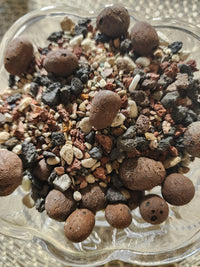
| Coco Coir with Pumice | Tropical plants | Good moisture retention with improved structure |
What Are the Ideal Coco Coir and Perlite Ratios for Different Plant Types?
Common mixes: 70:30 coir: perlite for most houseplants, and 50:50 for succulents to improve drainage. Adjust slightly for specific species and pot size.
How Does Pumice Enhance Soilless Mixes for Root Health?
Pumice adds porous structure and drainage without reducing moisture-holding capacity, helping roots access oxygen and nutrients more easily. It’s especially useful in mixes for larger tropical plants.
How Can You Use and Maintain Coco Coir Soilless Mix for Optimal Plant Growth?
Proper prep and routine care keep coco coir performing well.
- Rehydration: Soak dry coir until it expands and is evenly moist.
- Buffering: Soak in a calcium-rich solution if possible to displace excess sodium and stabilise nutrient uptake.
- Regular Maintenance: Check moisture and avoid overwatering; supplement with balanced feeds since coir has little inherent nutrition.
What Are the Steps to Rehydrate and Buffer Coco Coir for Potting and Hydroponics?
- Place dry coir in a container and add water until fully wet.
- Soak for several hours, then drain excess water.
- For buffering, briefly soak in a calcium-rich solution before use.
- Use the prepared coir for potting or as a hydroponic medium, then monitor feed and moisture regularly.
This ensures the coir is ready to support healthy roots and steady growth.
How Do You Troubleshoot Common Issues Like Root Rot and Pests in Soilless Mixes?
Root rot: improve drainage with more perlite or pumice and reduce watering frequency. Pests: inspect regularly and treat early with organic options like neem oil or insecticidal soap.
Where and How Can You Buy Premium Coco Coir Soilless Mix in Australia?
Quality and preparation matter—look for cleaned, buffered coir from reputable suppliers.
- Online Retailers: Compare brands, read reviews, and check product specs.
- Local Garden Centres: Good for seeing texture and getting advice.
- Specialty Stores: Offer mixes tailored for specific plants or hydroponics.
What Makes Leaf of Faith SA’s Coco Coir Mixes the Best Choice for Indoor Plants?
Leaf of Faith SA supplies carefully processed coco coir blends focused on moisture control and aeration, with an emphasis on sustainable sourcing and customer support.
How to Choose the Right Product Size and Blend for Your Growing Needs?
Match the bag size to the pot and plant number. Choose blends with perlite for succulents or pumice for tropicals. Buy larger quantities for many or large plants to save cost and ensure consistency.
Frequently Asked Questions
What is the difference between coconut coir and traditional soil?
Coco coir is a fibrous, soilless medium that holds moisture while remaining airy. Soil contains minerals and microbiology; coir provides structure and water retention but requires added nutrients.
Can Coco Coir be reused for multiple growing cycles?
Yes—clean and rehydrate it, then buffer to replace displaced minerals. Monitor salts and nutrient levels between uses.
How does Coco Coir compare to other soilless growing mediums?
Compared with peat, coir is renewable; versus rock wool, coir offers a better balance of moisture retention and aeration for many houseplants.
What types of plants thrive best in coco coir mixes?
Tropical houseplants, many flowering species, and succulents (when mixed with extra perlite) all do well in coir-based mixes.
How can I enhance the nutrient content of coco coir for my plants?
Add organic fertiliser, slow-release feeds, or regular liquid nutrient solutions. Test and adjust feeding to match plant needs.
Is Coco Coir suitable for hydroponic systems?
Yes—coir works well in hydroponics for moisture retention and aeration, but you must supply complete nutrient solutions and monitor EC and pH.