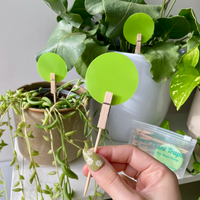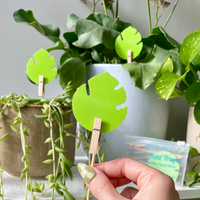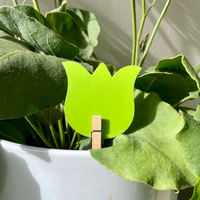

Buy Sticky Traps in Australia — Fast delivery for effective plant pest control.
Sticky traps are a simple, eco‑friendly way to protect indoor plants from common pests such as fungus gnats, thrips and whiteflies. This guide covers how sticky traps work, why they help, and where to buy them in Australia with fast delivery. If pests are stressing your plants, traps provide a safe way to monitor and reduce numbers, plus practical tips for using them around the home or in small indoor gardens.
Why choose sticky traps for indoor plant pest control in Australia?
Sticky traps are a go‑to for indoor gardeners because they’re effective, safe and easy to use. Bright colours draw pests in, and a sticky surface captures them, stopping further damage while you tackle the root cause.
How do sticky traps help control fungus gnats and other pests?
Sticky traps are especially useful for fungus gnats: adults are attracted by colour and become stuck on the adhesive, which reduces the breeding population and helps break the life cycle. The same approach works for monitoring and reducing thrips, whiteflies and other small flying insects.
What makes eco‑friendly sticky traps safe for homes and gardens?

Eco‑friendly sticky traps use non‑toxic adhesives, natural attractants or biodegradable materials, so they’re safe to use around children and pets. Choosing these options helps you manage pests without adding harsh chemicals to your living space, keeping both plants and home healthier.
Where can you buy reliable sticky traps online in Australia?
When buying sticky traps online in Australia, choose trusted retailers that stock quality products and offer fast, reliable delivery so you can act quickly on an infestation. Buy sticky traps online from sellers who provide clear product information and speedy shipping.
What are the features of uBloomed sticky traps available in Australia?
uBloomed sticky traps are built for performance: they come in pest‑targeting colours like yellow and blue, use a strong adhesive that catches small insects, and are easy to position around plants. Their simplicity makes them a practical choice for indoor growers who want quick, reliable results.
How does fast delivery enhance your sticky trap purchase experience?
Speed matters when pests are active. Fast delivery lets you start monitoring and reducing pest numbers immediately, limiting damage. Many Australian sellers offer express shipping, ng so you don’t have to wait to protect your plants.
How to use sticky traps effectively for indoor plants in Australia?
Getting the best results from sticky traps is mainly about correct placement and routine checks. A little attention goes a long way in improving their performance.
Where should you place sticky traps to maximise pest capture?
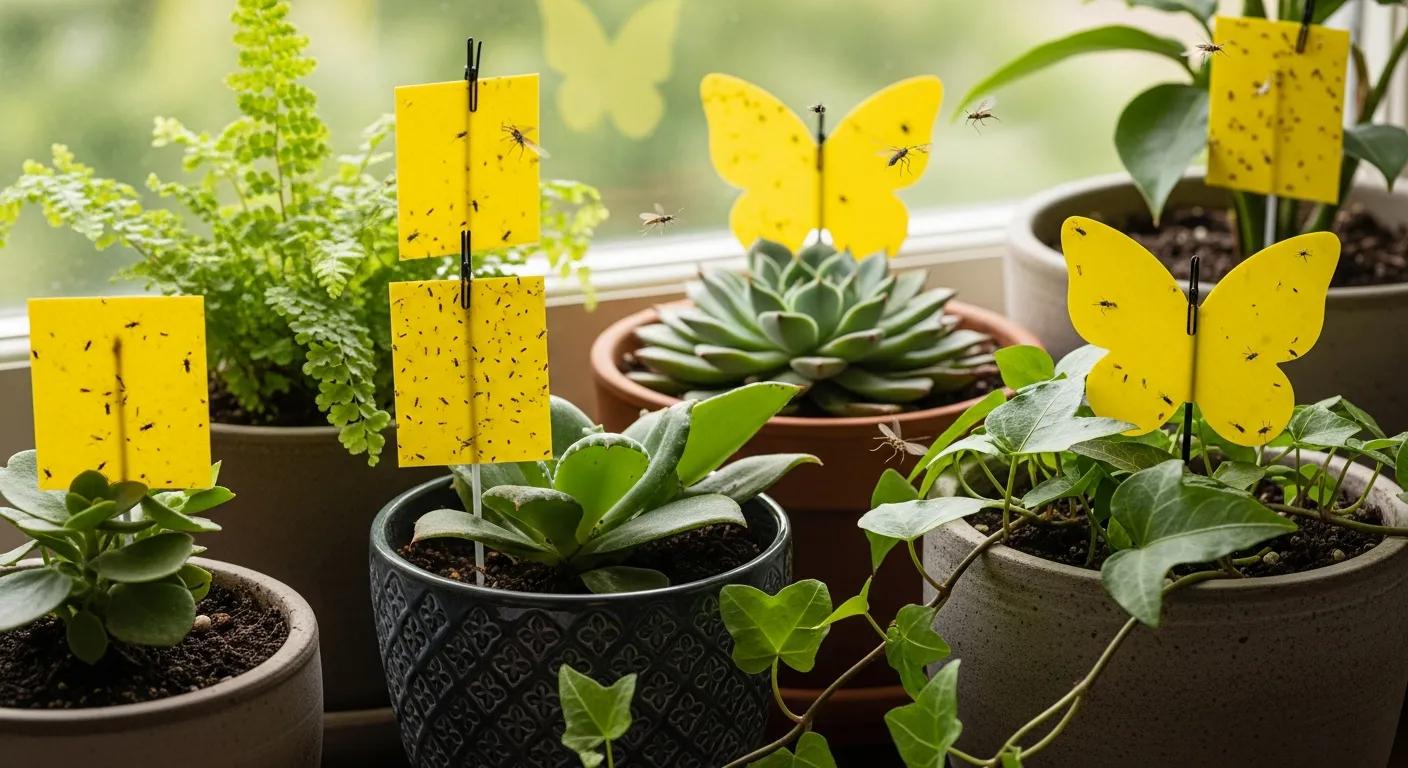
Place traps near the base of pots or where you’ve seen pest activity. Positioning them at plant height will catch more flying insects. Keep traps visible and unobstructed so pests can spot them easily.
When and how often should sticky traps be replaced?
Replace traps when the adhesive is covered, or the card is saturated — weekly checks are a sensible rule of thumb, especially during peak pest seasons. Regular replacement keeps traps effective and gives a clearer picture of pest pressure over time.
What are the best sticky traps for different plant pests in Australia?
Different colours and designs work better for certain pests, so choosing the right trap helps you target the insects that matter most to your plants.
Why are yellow sticky traps ideal for fungus gnats?
Yellow sticky traps attract fungus gnats because the bright colour mimics cues they naturally seek. That makes yellow cards a reliable option for indoor gardeners dealing with gnat problems.
Research also suggests that modern yellow trap designs — for example,e those enhanced with LEDs — could further improve capture rates.
Which sticky traps work best for thrips, whiteflies, and aphids?
Blue sticky traps are particularly effective for thrips, while whiteflies and aphids often respond more to yellow. Using a mix of blue and yellow traps gives broader coverage and helps detect multiple pests early.
New technologies — for example, LED‑enhanced blue traps — are improving how we monitor and catch thrips, especially at low population levels.
Yellow traps are effective because many insects respond to specific light wavelengths; this principle underpins several practical pest‑management tools.
Each trap type has strengths for particular pests. Understanding those differences helps you choose the right cards for your indoor gardening needs.
| Trap Color | Target Pest | Effectiveness | Recommended Use |
|---|---|---|---|
| Yellow | Fungus Gnats, Whiteflies, Aphids | High | Indoor plants |
| Blue | Thrips | High | Greenhouses |
| Green | Less common; some whiteflies | Moderate | Outdoor gardens |
Sticky traps are a useful, low‑toxicity tool for anyone looking to keep indoor plants healthy. By learning how they work, placing them correctly and buying quality cards, you can manage pest pressure more effectively. For growers in Australia, Leaf of Faith SA stocks a range of sticky traps with fast delivery so you can protect your plants without delay.
Frequently Asked Questions
What types of pests can sticky traps effectively control?
Sticky traps are effective against many small flying pests commonly found indoors, including fungus gnats, thrips, whiteflies and aphids. Different colours attract different insects, so choosing yellow or blue traps based on the pest will improve results.
How do I know if my sticky traps are working?
Check traps regularly — a steady number of caught insects indicates the traps are doing their job. Also watch plants for reduced pest activity or fewer damage signs (like wilting or discoloured leaves). If you see fewer pests and fewer new symptoms, your strategy is working.
Can sticky traps be used outdoors as well?
Yes — outdoor sticky traps can work, but weather exposure will shorten lifespan. Outdoor traps are usually built to withstand wind and light rain, but you may need to replace them more often. Choose colours that target the pests present in your garden.
Are there any drawbacks to using sticky traps?
Sticky traps mainly catch adult insects, so they don’t directly remove larvae or eggs. They can fill up and lose stickiness over time, and may occasionally catch beneficial insects if placed where pollinators roam. Use traps alongside other management steps to address the full pest lifecycle.
How can I enhance the effectiveness of my sticky traps?
Place traps where pests are active, keep them visible and replace them when covered. Use a mix of colours to target multiple species and combine traps with cultural practices (correct watering, clean pots, healthy plants) to reduce pest pressure.
What should I do if I have a severe pest infestation?
For heavy infestations, combine sticky traps with measures such as insecticidal soaps or approved organic treatments to target larvae as well as adults. Improve plant care to strengthen resilience, and if the problem continues, seek advice from a pest‑control professional or experienced horticulturist for a tailored plan.