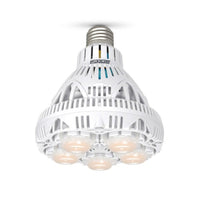

Affordable LED Grow Lights Australia: Brighten Your Home Garden with Energy-Efficient Solutions
Creating a vibrant home garden can be a rewarding experience, but it often comes with challenges, especially when it comes to providing adequate lighting for indoor plants. Affordable LED grow lights offer a practical solution, allowing gardeners to cultivate healthy plants even in low-light conditions. This article will explore the best types of LED grow lights available in Australia, how to choose affordable options, the benefits of energy-efficient lighting, and tips for installation and maintenance. By the end, you'll have a comprehensive understanding of how to enhance your home garden with effective lighting solutions.
Which LED Grow Lights Are Best for Indoor Plants in Australia?
When selecting LED grow lights for indoor plants, it's essential to consider the specific needs of your plants and the types of lights available. LED grow lights are popular due to their energy efficiency and effectiveness in promoting plant growth.
What Types of LED Grow Lights Support Healthy Indoor Plant Growth?
There are several types of LED grow lights that cater to different plant needs:
- Full-Spectrum Grow Lights: These lights provide a balanced spectrum of light, mimicking natural sunlight, which is ideal for all growth stages.
- Specific Spectrum Lights: Tailored for specific plant needs, these lights focus on particular wavelengths that enhance growth and flowering.
- Grow Light Kits: These kits often include everything needed for setup, making them perfect for beginners.
Choosing the right type of LED grow light can significantly impact the health and growth of your indoor plants.
How Do LED Grow Lights Compare to Other Grow Light Types?
LED grow lights have several advantages over traditional grow light types, such as fluorescent and HID (High-Intensity Discharge) lights:
- Energy Efficiency: LED lights consume less power, leading to lower electricity bills.
- Longevity: LEDs have a longer lifespan, often lasting for many thousands of hours, reducing the need for frequent replacements.
- Heat Output: LEDs produce less heat, minimising the risk of overheating plants.
These benefits make LED grow lights a superior choice for indoor gardening.
How Can You Choose Cheap Grow Lights for Your Home Garden?
Finding affordable grow lights doesn't mean compromising on quality. Here are some tips to help you choose the best options for your home garden.
What Factors Affect the Price and Quality of Grow Lights?
Several factors influence the price and quality of grow lights:
- Wattage: Higher wattage typically means more light output, which can be beneficial for plant growth.
- Light Spectrum: Full-spectrum lights may cost more but provide better results for plant health.
- Brand Reputation: Established brands often offer more reliable products, though they may come at a premium.
Understanding these factors can help you make informed decisions when shopping for grow lights.
Where to Find Affordable Grow Light Kits for Beginners in Australia?
For beginners looking to start their indoor gardening journey, several options are available for purchasing affordable grow light kits:
- Online Marketplaces: Websites like eBay, Amazon Australia, and other e-commerce platforms often have competitive prices and a wide selection.
- Local Gardening Stores: Visiting local stores can provide the opportunity to see products in person and receive expert advice.
- Promotions and Discounts: Keep an eye out for seasonal sales or discounts that can make purchasing grow lights more affordable.
By exploring these avenues, you can find the right grow light kits that fit your budget.
What Are the Benefits of Using Energy-Efficient Grow Lights?

Energy-efficient grow lights offer numerous advantages that can enhance your gardening experience while being environmentally friendly.
How Do Energy-Efficient Grow Lights Save Costs and Support Sustainability?
Energy-efficient grow lights, such as LEDs, save costs in several ways:
- Lower Energy Consumption: They use significantly less electricity compared to traditional lighting options like HID and fluorescent lights.
- Longer Lifespan: With a lifespan of up to 50,000 hours, they reduce the frequency of replacements.
- Recycling Options: Many LED lights are recyclable, contributing to sustainability efforts.
These factors not only lower your energy bills but also support a more sustainable gardening practice.
What Are the Latest Trends in Smart and Energy-Saving Grow Light Technology?
The grow light industry is evolving, with several trends emerging:
- Smart Controls: Many new grow lights come with smart technology that allows users to control light schedules and intensity via smartphone apps.
- Integration with Home Automation: Some systems can be integrated with home automation setups for seamless operation.
- Adaptive Lighting Systems: These systems adjust light output based on plant growth stages, optimising energy use.
Staying informed about these trends can help you choose the most advanced and efficient lighting solutions for your garden.
How Do You Install and Maintain Grow Lights for Optimal Home Garden Growth?
Proper installation and maintenance of grow lights are crucial for maximising their effectiveness in your home garden.
What Are the Best Practices for Installing Grow Lights Indoors?
When installing grow lights, consider the following best practices:
- Placement Considerations: Position lights at the appropriate distance from plants to avoid burning them. This distance varies depending on the light intensity and plant type, but generally ranges from 30 to 90 centimetres.
- Height Adjustments: Adjust the height of the lights as plants grow to ensure they receive adequate light.
- Safety Precautions: Ensure all electrical connections are secure and follow manufacturer guidelines for installation.
Following these practices will help ensure your plants receive the optimal light they need to thrive.
How Should You Maintain and Troubleshoot Your Grow Lights?
Regular maintenance is essential for keeping your grow lights in good working condition:
- Regular Cleaning: Dust and dirt can accumulate on light fixtures, reducing their efficiency. Clean them regularly to maintain optimal performance.
- Checking Connections: Periodically inspect electrical connections for wear or damage to prevent malfunctions.
- Identifying Light Failures: Be aware of signs of light failure, such as flickering or dimming, and address these issues promptly.
By implementing these maintenance tips, you can extend the life of your grow lights and ensure your plants receive consistent lighting.
| Type of Grow Light | Key Features | Best For |
|---|---|---|
| Full Spectrum | Mimics sunlight, suitable for all growth stages | All indoor plants |
| Specific Spectrum | Focuses on specific wavelengths | Flowering plants |
| Grow Light Kits | Complete setup for beginners | New gardeners |
This table summarises the different types of grow lights available, helping you make an informed choice based on your gardening needs.
In conclusion, affordable LED grow lights are an excellent investment for anyone looking to enhance their home garden. By understanding the types of lights available, how to choose the right ones, and the benefits of energy efficiency, you can create a thriving indoor garden that flourishes year-round.
Frequently Asked Questions
What are the key differences between full-spectrum and specific-spectrum LED grow lights?
Full-spectrum LED grow lights provide a balanced light spectrum that mimics natural sunlight, making them suitable for all growth stages of plants. In contrast, specific spectrum lights are designed to emit particular wavelengths that cater to the unique needs of certain plants, such as those that are flowering or fruiting. Choosing between them depends on the types of plants you are growing and their specific light requirements for optimal growth.
How can I determine the right wattage for my LED grow lights?
The appropriate wattage for LED grow lights depends on the size of your growing area and the types of plants you are cultivating. A general guideline is to use about 20-30 watts per square foot for optimal growth. However, more demanding plants may require higher wattage. It's essential to consider the light intensity and the specific needs of your plants to ensure they receive adequate lighting for healthy growth.
Can LED grow lights be used for outdoor gardening as well?
While LED grow lights are primarily designed for indoor use, they can also be beneficial for outdoor gardening, especially in shaded areas or during the early spring and late autumn when sunlight is limited. However, it's crucial to choose weather-resistant models if you plan to use them outdoors. These lights can help extend the growing season and support plant growth in less-than-ideal lighting conditions.
What maintenance is required for LED grow lights?
Maintaining LED grow lights involves regular cleaning to remove dust and dirt that can block light output. It's also important to check electrical connections for any signs of wear or damage. Additionally, monitor the lights for any flickering or dimming, which may indicate a need for replacement. Following these maintenance practices will help ensure your grow lights operate efficiently and last longer.
Are there any safety concerns when using LED grow lights?
While LED grow lights are generally safe, there are some precautions to consider. Ensure that all electrical connections are secure and follow the manufacturer's installation guidelines. Avoid placing lights too close to plants to prevent overheating, and ensure proper ventilation in the growing area. Additionally, using lights with appropriate voltage ratings can help prevent electrical hazards.
How do I know if my plants are getting enough light from my grow lights?
Signs that your plants are receiving adequate light include healthy, vibrant foliage and consistent growth. If plants are stretching towards the light source, it may indicate insufficient light. Conversely, yellowing leaves or burnt tips can suggest too much light or heat. Monitoring these signs can help you adjust the height and intensity of your grow lights to meet your plants' needs effectively.
Conclusion
Investing in affordable LED grow lights can significantly enhance your home garden by providing the optimal lighting conditions for plant growth. These energy-efficient solutions not only lower your electricity bills but also promote sustainability through their long lifespan and reduced heat output. By choosing the right type of grow light, you can ensure your indoor plants thrive throughout the year. Explore our range of LED grow lights today to elevate your gardening experience.